

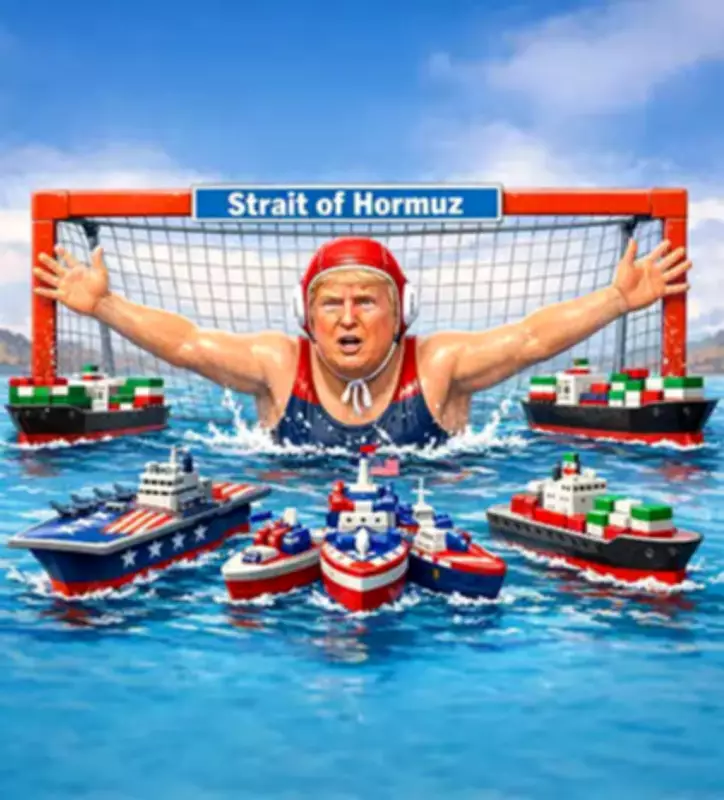
Trump's High-Stakes Blockade Gamble: A Strategic Move with Global Repercussions
In a bold and controversial move, former President Donald Trump has proposed a major blockade strategy, marking a significant gamble in the realm of international affairs. This approach, which involves imposing restrictions on key trade routes or regions, is seen as a high-risk tactic aimed at asserting dominance and addressing perceived threats. The strategy underscores Trump's willingness to take aggressive actions to achieve political and economic objectives, even at the cost of straining global relations.
Strategic Objectives and Rationale Behind the Blockade
The proposed blockade is not merely a symbolic gesture but a calculated effort to leverage economic pressure for strategic gains. Trump's rationale likely centers on protecting national interests, countering adversarial nations, and reshaping international trade dynamics. By targeting critical chokepoints or supply chains, the blockade aims to disrupt the flow of goods and resources, thereby forcing concessions from other countries. This move reflects a broader trend of using economic tools as instruments of foreign policy, a tactic that has gained traction in recent years.
Analysts suggest that the gamble hinges on the assumption that the targeted nations will be compelled to negotiate or alter their behavior under duress. However, this strategy carries inherent risks, including potential retaliation, escalation of conflicts, and damage to global economic stability. The blockade could lead to shortages, price hikes, and disruptions in various sectors, affecting not only the involved parties but also neutral countries caught in the crossfire.

Global Reactions and Diplomatic Fallout
The international community has responded with a mix of concern and condemnation. Allies and adversaries alike are closely monitoring the situation, wary of the precedent such a blockade might set. Diplomatic channels are abuzz with discussions aimed at mitigating the impact and preventing a full-blown crisis. Some nations have called for multilateral talks to address the underlying issues without resorting to coercive measures.
From a diplomatic perspective, Trump's gamble could undermine trust and cooperation on the global stage. It may lead to a reevaluation of alliances and partnerships, as countries reassess their reliance on the United States for security and trade. The blockade strategy also raises questions about adherence to international laws and norms, particularly those governing maritime and trade freedoms.
Economic and Security Implications
Economically, the blockade poses significant threats to global supply chains, which are already fragile due to recent disruptions. Industries reliant on timely imports and exports could face severe setbacks, leading to job losses and economic downturns in affected regions. On the security front, the move could escalate tensions, potentially sparking conflicts or proxy wars in volatile areas.
Moreover, the strategy may inadvertently strengthen the resolve of targeted nations, prompting them to seek alternative routes or allies, thereby reducing U.S. influence. In the long term, this could reshape geopolitical landscapes, with emerging powers capitalizing on the vacuum created by strained relations.
Conclusion: A Pivotal Moment in International Relations
Trump's blockade gamble represents a pivotal moment in contemporary international relations, highlighting the intersection of politics, economics, and security. While it may achieve short-term objectives, the long-term consequences could be far-reaching, affecting global stability and cooperation. As the situation unfolds, stakeholders worldwide must navigate this complex scenario with caution, balancing national interests with the broader need for peace and prosperity.

