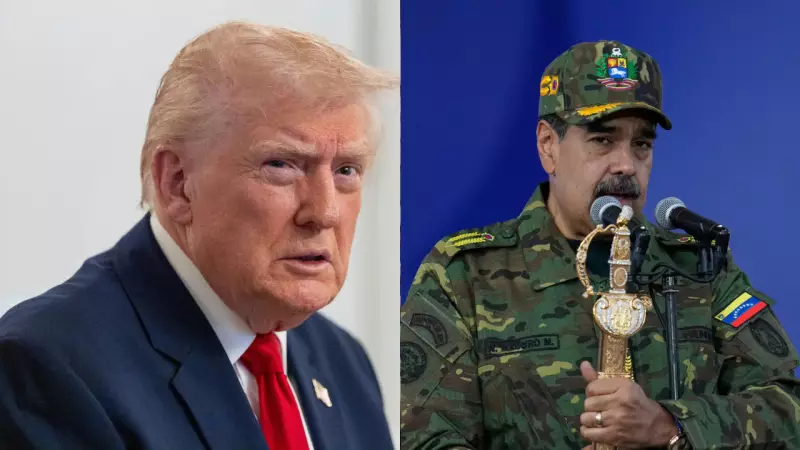
In a dramatic escalation of the long-standing political crisis, former US President Donald Trump delivered a stark ultimatum to Venezuelan leader Nicolás Maduro, demanding his immediate departure from the country. The high-stakes phone call, which took place in the week of November 16, has brought the tense standoff between Washington and Caracas to a new precipice.
The Failed Negotiation and Trump's Ultimatum
According to a report by the Miami Herald, during the call, Trump presented Maduro with a blunt choice. The US President told Maduro, "You can save yourself and those closest to you, but you must leave the country now." The United States reportedly offered safe passage for Maduro, his wife Cilia Flores, and their son, with the offer also extending to several of his top allies if he agreed to depart immediately.
However, the negotiations quickly stalled. The Venezuelan president sought two major guarantees in return for allowing free elections: global amnesty for himself and senior members of his circle for any alleged crimes, and the right to retain command of Venezuela's armed forces. Washington dismissed both proposals outright, insisting instead on Maduro's immediate resignation. The Maduro government's attempt to arrange a follow-up call received no response from Washington, leading to a complete collapse of the talks.

Escalation and Retaliation
Following the breakdown, Trump sharply escalated pressure on the Venezuelan regime. He publicly warned that US military operations "by land" could begin "very soon" and declared Venezuelan airspace "closed in its entirety." The US had already sent significant military assets to the Caribbean region, heightening tensions.
The Federal Aviation Administration issued a warning about "heightened military activity," prompting major international airlines to halt services. Flight tracking data showed international aircraft avoiding Venezuelan airspace, with flights to destinations like Aruba and Curaçao taking longer alternative routes. In retaliation, Venezuela revoked the operating rights of several foreign carriers and accused Washington of engaging in "colonial aggression."
Political Justifications and Regional Fallout
US politicians defended the administration's aggressive stance. Senator Dave McCormick, in an interview with Fox News Sunday, linked the action to the drug crisis, stating, "We have a war that's coming through fentanyl, through opioids, through cocaine," blaming Venezuela for fueling a crisis that "killed 100,000 Americans last year."
Concurrently, the US administration intensified maritime strikes on suspected drug trafficking boats in the Caribbean. These actions, described by critics as extrajudicial, are now subject to congressional inquiries, including one into an alleged "double tap" strike near Trinidad. US officials have denied ordering the specific strike.
A defense expert familiar with Venezuela's military warned that Maduro and his key figures could now be facing their most serious threat yet. The situation remains volatile, with the failed diplomatic overture leading to a significant militarisation of the crisis and deepening the political impasse in the South American nation.