

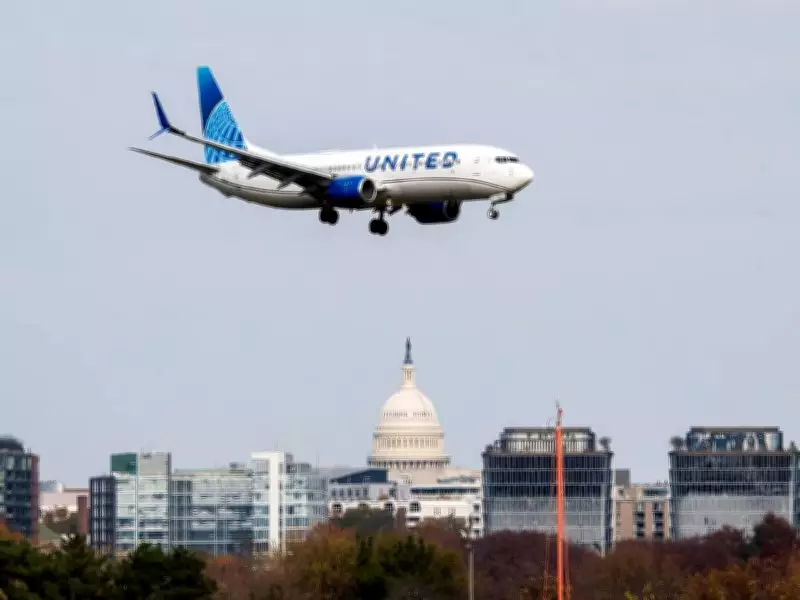
United Airlines Flight Diverted to Pittsburgh Over Security Concern
A United Airlines flight traveling from Chicago O'Hare International Airport to San Francisco International Airport was unexpectedly diverted to Pittsburgh International Airport on Wednesday due to a potential security issue. The incident prompted an emergency evacuation of passengers using the aircraft's emergency slides as a safety precaution.
Details of the Flight Diversion
The flight, identified as United Airlines Flight 1234, was en route to San Francisco when the crew received information about a possible security threat. In response, the pilots made the decision to divert the aircraft to the nearest suitable airport, which was Pittsburgh International Airport in Pennsylvania. The diversion was carried out smoothly, with the plane landing safely without any immediate signs of danger.
Upon landing, airport authorities and security personnel quickly assessed the situation. As part of standard safety protocols, passengers were instructed to evacuate the aircraft using the emergency slides. This evacuation was conducted in an orderly manner, and all passengers and crew members exited the plane without any reported injuries or major incidents.

Response from Authorities and Airlines
Local law enforcement and Transportation Security Administration (TSA) officials were immediately dispatched to the scene to investigate the security concern. Preliminary reports indicate that the threat was related to a suspicious item or communication, though specific details have not been disclosed to the public due to the ongoing investigation.
United Airlines issued a statement confirming the diversion and evacuation, emphasizing that the safety of passengers and crew is their top priority. The airline is cooperating fully with authorities and has arranged for alternative travel arrangements for affected passengers, including rebooking on later flights and providing accommodations as needed.
Impact on Passengers and Operations
The diversion caused significant delays and disruptions for passengers, many of whom were traveling for business or personal reasons. Airport operations at Pittsburgh International were temporarily affected, with some flights experiencing minor delays as resources were allocated to handle the situation. However, normal operations resumed relatively quickly after the security threat was deemed non-critical.
Passengers described the evacuation as a tense but controlled experience, with crew members providing clear instructions and assistance. Some travelers expressed relief that the situation was handled professionally, while others noted the inconvenience of the unexpected stop and evacuation process.
Broader Implications for Aviation Security
This incident highlights the ongoing challenges and protocols in aviation security, particularly in the United States where threats are taken seriously to ensure passenger safety. It serves as a reminder of the importance of vigilance and rapid response in the airline industry, especially in an era where security concerns can arise unexpectedly.
Experts note that such diversions, while disruptive, are a necessary part of modern air travel safety measures. They underscore the need for continuous training and coordination among airlines, airports, and security agencies to effectively manage potential threats and minimize risks to travelers.
As the investigation continues, authorities are expected to release more details about the nature of the security issue and any lessons learned from the response. For now, the focus remains on ensuring the well-being of all involved and maintaining the integrity of aviation security systems.

