

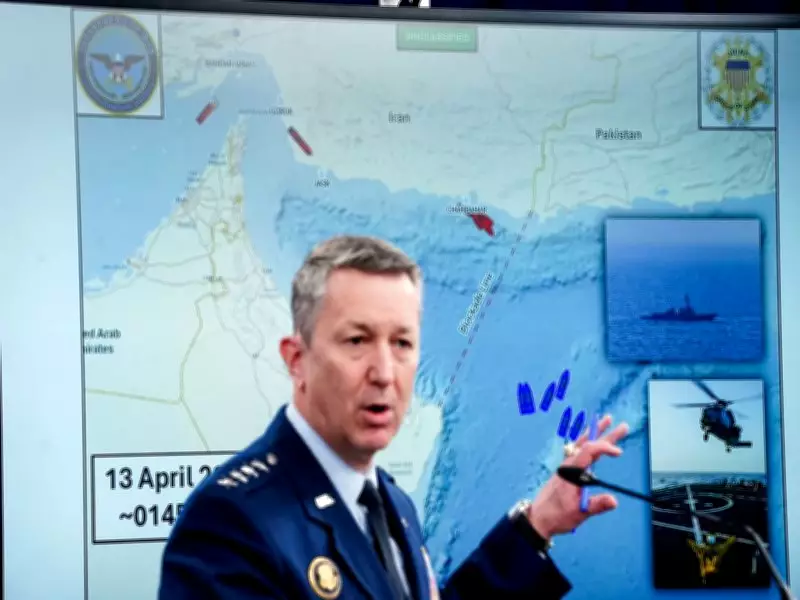
Pentagon Details US Military Action as Blockade of Iranian Ports
The United States Department of Defense, commonly known as the Pentagon, has issued a clarification regarding recent military maneuvers in the Middle East. According to official statements, the actions undertaken by US forces are specifically designed as a blockade targeting Iran's ports and coastlines. This strategic move is aimed at restricting maritime access and economic activities in these areas, rather than involving the critical Strait of Hormuz.
Focus on Coastal and Port Infrastructure
The Pentagon emphasized that the operation is concentrated on Iran's coastal regions and port facilities. This includes key locations such as Bandar Abbas and Chabahar, which are vital for Iran's trade and naval operations. By implementing this blockade, the US intends to apply pressure on Iran's economy and military capabilities without escalating tensions in the broader Strait of Hormuz, a crucial chokepoint for global oil shipments.
This distinction is significant as it avoids direct confrontation in one of the world's most strategic waterways. The Strait of Hormuz handles approximately 20% of global oil traffic, and any military action there could have severe international repercussions. The Pentagon's approach suggests a more targeted strategy to influence Iran's behavior while minimizing risks to global energy markets.

Context of Regional Tensions
The announcement comes amid ongoing geopolitical friction between the US and Iran, which has included previous incidents in the Persian Gulf and disputes over nuclear agreements. The blockade is seen as part of a broader US policy to counter Iran's regional influence and military activities. Experts note that this move could impact Iran's ability to export goods and receive imports, potentially affecting its domestic economy and international trade relations.
Military analysts have pointed out that such a blockade requires substantial naval and aerial assets to enforce effectively. The US likely has deployed ships and aircraft to monitor and control access to Iran's ports, ensuring compliance with the blockade measures. This operation underscores the US military's capability to project power in the region while carefully managing escalation risks.
Implications for International Relations
The Pentagon's clarification aims to provide transparency and reduce misunderstandings among international stakeholders. By specifying that the action is not directed at the Strait of Hormuz, the US seeks to reassure allies and trading partners about the stability of key maritime routes. However, this blockade could still lead to diplomatic tensions, with Iran likely to protest the move as a violation of its sovereignty and international law.
In response, Iran may increase its naval patrols or seek support from other nations to challenge the blockade. The situation remains fluid, with potential for further developments as both sides assess the impact of these military actions. Observers are closely monitoring for any signs of escalation or diplomatic negotiations to resolve the underlying conflicts.
Overall, the Pentagon's statement highlights a calculated approach by the US to exert pressure on Iran through targeted maritime measures, reflecting ongoing strategic considerations in a volatile region.






