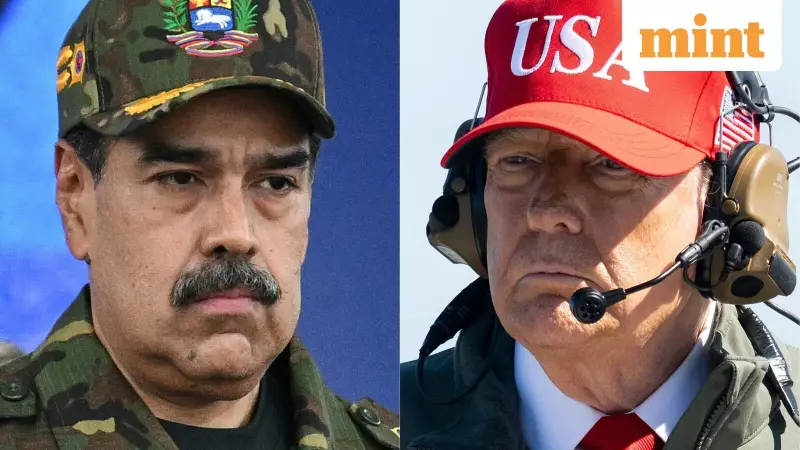
In a dramatic geopolitical shift, the United States has announced a major energy initiative aimed at stabilising Venezuela's crippled oil sector. This move comes directly in the wake of a large-scale military operation that led to the capture of Venezuelan President Nicolas Maduro and his wife, Cilia Flores.
Details of the Historic US-Venezuela Energy Deal
On Wednesday, 7 January, 2026, the Trump administration released a plan it termed a 'historic deal'. The core of the initiative involves the United States selectively rolling back sanctions on Venezuela. This will allow the South American nation's crude oil to enter global markets, but under strict US oversight and control.
All proceeds from the sale of Venezuelan crude and oil products will first be deposited into US-controlled accounts at globally recognised banks. According to a Fact Sheet from the US Department of Energy, this measure is designed to ensure transparency and guarantee that the funds are used properly for the benefit of citizens of both nations.

The deal is set to kick off with the immediate sale of a substantial 30 to 50 million barrels of crude oil, with further sales continuing indefinitely. To assist Venezuela's struggling oil industry, the US will also supply light crude oil, known as diluent. This is needed to mix with Venezuela's very heavy crude, making it easier to transport and sell on the international market.
Furthermore, Washington will permit imports of select oilfield equipment, parts, and services. This support aims to fix decades of underinvestment, modernise production facilities, and spur short-term growth. The US factsheet explicitly stated that "The only oil transported in and out of Venezuela will be through legitimate and authorised channels consistent with U.S. law and national security."
The Capture of Maduro and the Charges Against Him
This energy deal follows the extraordinary capture of Venezuelan leader Nicolas Maduro by US forces on 3 January, 2026. The joint operation, involving US intelligence and law enforcement agencies, resulted in Maduro and his wife being flown out of the country.
The couple was indicted in the Southern District of New York on charges of alleged "drug trafficking and narco-terrorism conspiracies". According to a report, they face four criminal charges, including narco-terrorism, conspiracy to import cocaine, and possession of machine guns and destructive devices.
On Monday, 6 January, the 63-year-old Maduro pleaded not guilty in a New York federal court. His wife, Cilia Flores, also entered a plea of not guilty. They are currently awaiting trial.
Geopolitical Implications and Next Steps
The US administration has framed the energy deal as a move to safeguard American interests, restore Venezuela's energy production, and create a revenue stream for both countries. By taking control of the financial proceeds, the US aims to prevent funds from being misused while attempting to bring a measure of stability to Venezuela's vital oil sector.
This sequence of events—from a military capture to a conditional economic partnership—marks one of the most significant interventions in the Western Hemisphere in recent years. The world now watches closely as the legal proceedings against Maduro unfold and the complex mechanics of this new energy arrangement begin to operate.