Admiral Cooper's Recommendation
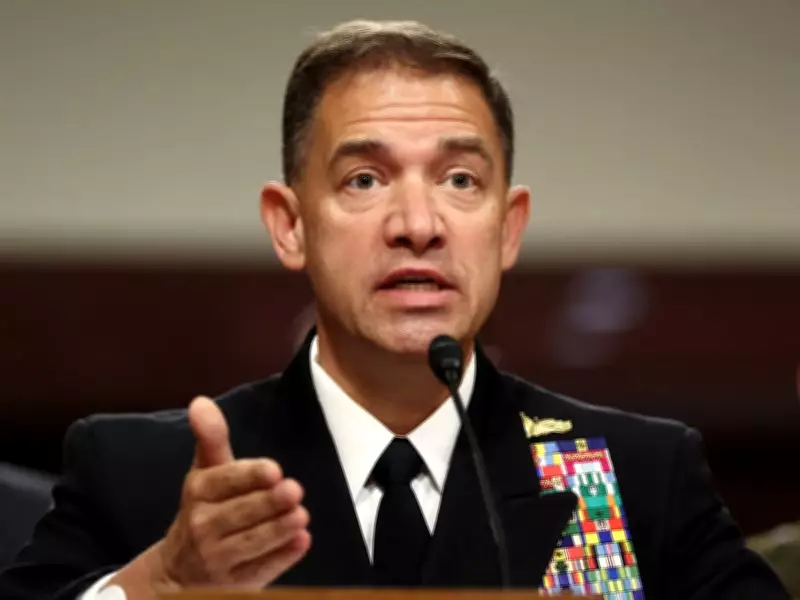
Admiral Brad Cooper, commander of the US Central Command (CENTCOM), recommended halting the bombing campaign around the Strait of Hormuz, according to a report by Axios citing two sources familiar with the matter. Cooper assessed that the campaign had reached the limit of its effectiveness in degrading Iranian military capabilities.
The recommendation, supported by several other civilian and military advisers, played a key role in US President Donald Trump's decision on Friday to pause American military strikes against Iran. This marked an acknowledgment that military action, particularly air power, had limited utility in the ongoing conflict.
Operation Epic Fury and Next Steps
Cooper reportedly indicated that a potential next step could involve resuming major combat operations to strike the remaining 20% of targets designated during Operation Epic Fury that were not hit. However, he emphasized that continuing the previous two weeks' bombing campaign was futile, as most designated targets had been exhausted.

The chairman of the Joint Chiefs of Staff, General Dan Caine, also cautioned Secretary of War Pete Hegseth and President Trump privately about a shortage of air defense interceptors. This shortage, Caine warned, could impair the military's ability to protect US forces and allies in the region. His warning was first reported by The New York Times. A spokesman for the chairman declined to comment on "confidential military advice the Chairman provides the President."
Shift in President Trump's Stance
According to sources, the halt in strikes came after a meeting with top advisers and military officials who presented a new strike plan. Prior to the meeting, Trump had been leaning toward returning to major combat operations, but his mindset began shifting on Thursday evening.
Axios reported that Cooper noted the bombing targets were mostly exhausted, reinforcing the conclusion that continued airstrikes would yield diminishing returns.
Diplomatic Developments in the Region
The cessation of strikes coincides with ongoing discussions between Iran and Oman regarding the reopening of the Strait of Hormuz. According to CBS News, citing two regional sources, these talks have progressed positively and entered their second day. The Iranian military also announced it halted retaliatory attacks against American allies in West Asia after Washington paused its strikes on Iran for the previous two nights.
The US and the UK continue to discuss convening an international conference later this week to establish a coalition to protect and clear mines from the Strait of Hormuz. However, no final date for the meeting has been set.
Pentagon Updates Casualty Figures
CNN reported that the Pentagon updated its war casualty database on Saturday, recording more than 140 additional wounded and restoring the four soldiers killed due to Iranian strikes last week. This update addressed questions about a lack of transparency regarding the conflict's human toll.
When combined with updated totals for Operation Epic Fury, the data shows 18 troops have died and 624 have been wounded since the conflict against Iran began on February 28. The number of wounded represents a significant increase from the previous peak of 482 observed by CNN last week.