

US Central Command Announces Full Enforcement of Iranian Port Blockade
The United States Central Command (CENTCOM) has confirmed that a comprehensive naval blockade targeting Iranian ports is now fully operational. This significant military move marks a major escalation in the ongoing geopolitical tensions between the US and Iran, with potential far-reaching implications for regional stability and international maritime commerce.
Details of the Blockade Implementation
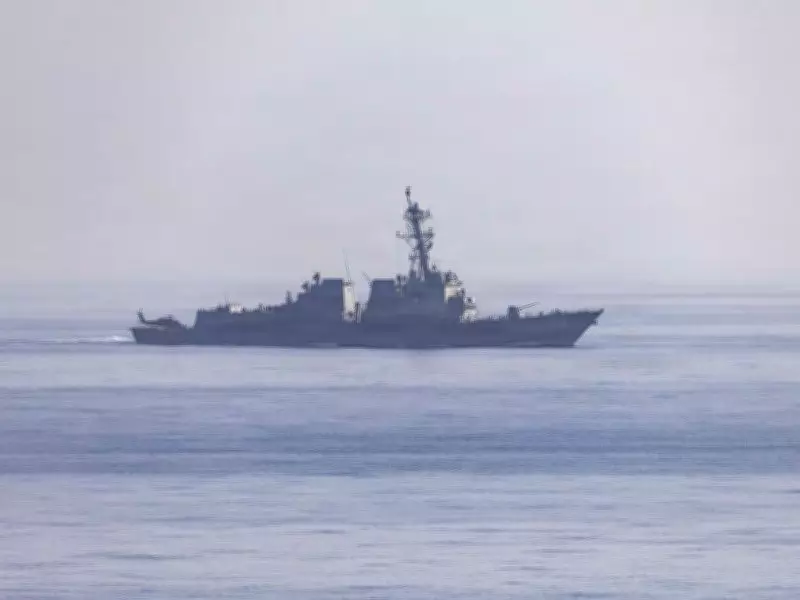
According to official statements from CENTCOM, the blockade has been meticulously planned and executed to restrict maritime access to key Iranian ports along the Persian Gulf and the Gulf of Oman. The operation involves a coordinated deployment of US naval assets, including destroyers, frigates, and surveillance aircraft, to enforce strict control over shipping lanes. This action is part of broader US efforts to curb Iran's economic activities and influence in the region, particularly in response to concerns over nuclear proliferation and support for militant groups.
The blockade's full implementation signifies a shift from previous partial measures to a more assertive stance by the US military. It aims to disrupt Iran's ability to export oil and other goods, thereby exerting economic pressure on the Tehran regime. CENTCOM officials have emphasized that the operation is conducted in accordance with international law, though it has sparked criticism from some global actors who view it as an aggressive unilateral move.

Regional and Global Implications
The enforcement of this blockade is expected to have profound effects on the Middle East and beyond. Regionally, it heightens the risk of military confrontations, as Iran has previously threatened to retaliate against any attempts to impede its maritime sovereignty. The Strait of Hormuz, a critical chokepoint for global oil shipments, could become a flashpoint for conflicts, potentially leading to disruptions in energy supplies and spikes in oil prices worldwide.
From a global perspective, the blockade impacts international trade routes that rely on the Persian Gulf for the transit of goods. Shipping companies may face increased costs and delays as they navigate the heightened security measures and potential hazards. This development also underscores the growing tensions between the US and Iran, which have been simmering for years over issues such as the Iran nuclear deal and regional proxy wars.
Reactions and Future Outlook
Reactions to the blockade have been mixed. US allies in the region, such as Saudi Arabia and Israel, have expressed support for the measure, viewing it as a necessary step to counter Iranian aggression. Conversely, Iran has condemned the blockade as an illegal act of war and has vowed to take all necessary measures to protect its interests. International organizations, including the United Nations, have called for dialogue to de-escalate the situation, warning that further militarization could lead to broader instability.
Looking ahead, the full implementation of the Iranian port blockade by US CENTCOM sets the stage for increased diplomatic and military maneuvering. Observers are closely monitoring how Iran will respond, whether through diplomatic channels or asymmetric tactics such as cyber attacks or support for allied militias. The situation remains fluid, with the potential to reshape geopolitical dynamics in the Middle East and affect global economic patterns.

