US Military Executes Rapid Strike on Iran Following Clear Advisories
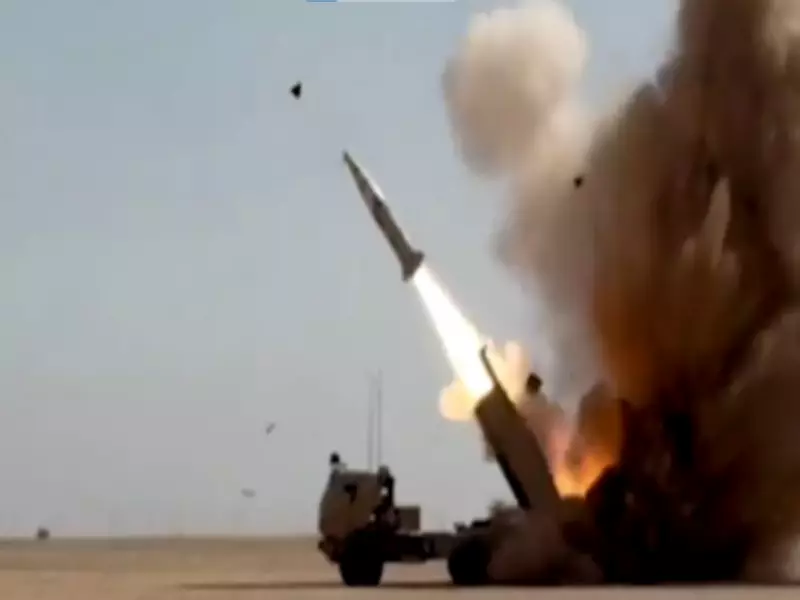
The United States Central Command, commonly known as CENTCOM, has initiated a swift and decisive military operation directed at Iran. This action comes in the wake of prior warnings that were formally communicated to the Iranian regime. The operation underscores a significant escalation in the ongoing tensions between the two nations, highlighting the US's commitment to addressing perceived threats with immediate and forceful measures.
Background of the Warnings and Military Response
According to official reports, the Iranian regime was explicitly warned about potential consequences if it continued with activities deemed destabilizing or hostile by the United States. These warnings were delivered through diplomatic channels and were intended to serve as a clear signal of the US's readiness to act. Despite these advisories, the situation escalated, prompting CENTCOM to launch its operation, which is described as both rapid and targeted.
The military action involved coordinated strikes aimed at key Iranian assets, with the objective of neutralizing immediate threats and demonstrating US resolve. This move is part of a broader strategy to maintain regional stability and counter Iranian influence in the Middle East. The operation's swift nature indicates a pre-planned response, likely developed in anticipation of the regime's non-compliance with the warnings.

Implications for US-Iran Relations and Global Security
This development marks a critical juncture in the already strained relations between the United States and Iran. The US's decision to proceed with military action after issuing warnings suggests a shift towards a more assertive posture, potentially setting a precedent for future interactions. The operation is expected to have far-reaching implications, not only for bilateral ties but also for global security dynamics, particularly in volatile regions like the Middle East.
Experts analyze that this action could lead to increased tensions, with Iran likely to respond through diplomatic protests or retaliatory measures. The situation underscores the fragile nature of international diplomacy and the challenges in managing conflicts between major powers and regional actors. The US's emphasis on swift and decisive action reflects a strategy aimed at deterring further provocations while asserting its military capabilities.
Reactions and Future Outlook
Initial reactions from international observers have been mixed, with some allies expressing support for the US's stance on security, while others call for restraint to avoid broader conflict. The Iranian regime has yet to issue an official statement, but past behavior suggests a potential for escalation. Moving forward, the focus will be on how both nations navigate this crisis, with possible impacts on nuclear negotiations, regional alliances, and economic sanctions.
In conclusion, the US CENTCOM's operation against Iran, following prior warnings, represents a significant military and diplomatic event. It highlights the complexities of modern geopolitics and the ongoing struggle for influence in key global hotspots. As events unfold, the world watches closely to see how this action will shape future US-Iran relations and international security frameworks.