









Politics

Rajasthan HC's Edited Remarks Reveal Judicial Tension Over Transgender Law
The Rajasthan High Court's scrubbed comments highlight growing judicial strain regarding the Transgender Amendment Act, 2026, as Indian constitutional law faces another test in protecting fundamental rights.





World
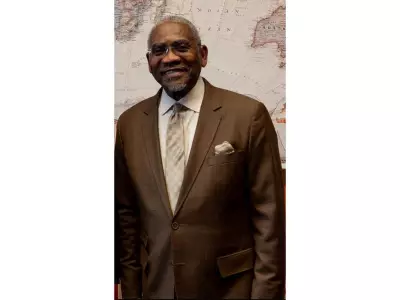
US Congressman Gregory Meeks Welcomes Ceasefire, Seeks Clarity from Trump
US Congressman Gregory Meeks has welcomed a recent ceasefire announcement while calling for clarity from former President Donald Trump on his stance regarding international conflicts and diplomatic efforts.



Entertainment

Mohanlal Wraps Up Shooting for Rajinikanth's 'Jailer 2' as Production Nears Completion
Mohanlal has completed filming his portions for the highly anticipated sequel 'Jailer 2,' starring Rajinikanth. The film's production is in its final stages, with a star-studded cast and potential August release.



Business
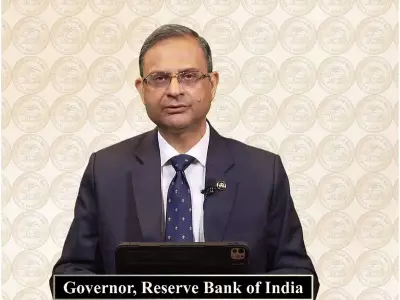
RBI Holds Repo Rate Steady at 5.25% in First FY27 Policy Amid West Asia Ceasefire
The Reserve Bank of India's Monetary Policy Committee has maintained the repo rate at 5.25% in its first policy review of FY27, citing easing inflation and a ceasefire in West Asia conflict.



Sports




Lifestyle





Technology

MAIT Delhi Wins Lam Research India Challenge
Ashish Negi, Shivam Kumar Jha, Swayam Bansal, and Sai Tejaswi from Maharaja Agrasen Institute of Technology in Delhi secured first place in the Lam Research Challenge, a four-level competition testing semiconductor engineering skills. Over 7,000 students

Volkswagen Taigun Facelift India Launch on April 9, 2026
Volkswagen India launches the new Taigun facelift on April 9, 2026, with production starting in Pune. It features a Tiguan-inspired design, new 8-speed automatic, and rivals like Hyundai Creta.

Canada Warns of New 'Milk Settlement' Text Scam
Canadian authorities warn citizens about a sophisticated text scam falsely claiming recipients are eligible for a 'milk settlement.' Experts reveal scammers are mimicking legitimate class action cases to steal personal and financial information.
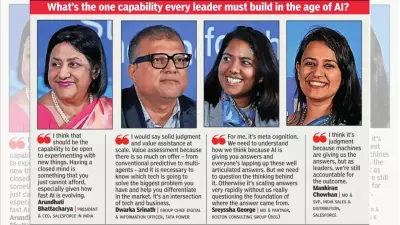
India's AI Adoption Gap: Government Leads, Industry Lags
Experts highlight India's uneven AI adoption, with government ahead of enterprises. Challenges include cloud security hesitations, infrastructure needs, talent shortages, and trust issues, despite strong digital public infrastructure.
Alphabet's $100B SpaceX Bet Fuels AI Startup Investment Push
Google CEO Sundar Pichai reveals Alphabet's plan to deploy capital aggressively into AI startups, following massive returns from investments like SpaceX and Anthropic.
