US Military Confirms Destruction of Iranian Weapons Bunker in Strait of Hormuz
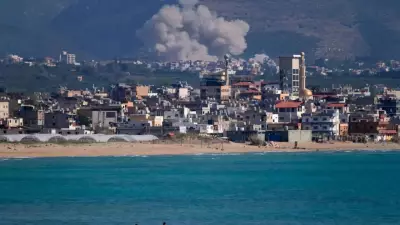
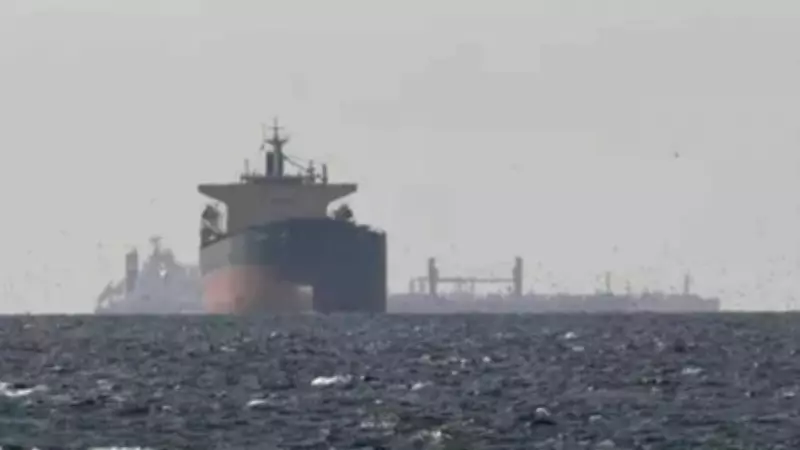
The United States military has officially declared that it successfully neutralized a significant Iranian weapons bunker located in the strategically vital Strait of Hormuz. This decisive operation, carried out on Saturday, specifically targeted an underground facility that housed weaponry posing a direct threat to international oil and gas shipments traversing the critical maritime corridor.
Strategic Strike Aims to Reassure Global Energy Markets
The public announcement from US authorities appears to have been strategically crafted to alleviate mounting concerns within global energy markets and to address the apprehensions of Washington's international allies, some of whom have expressed skepticism regarding regional security measures. By transparently disclosing the operation's details, the US aims to demonstrate its commitment to safeguarding free navigation and energy security in one of the world's most crucial shipping lanes.
Detailed Account of the Military Operation
Admiral Brad Cooper, the commanding officer of US Central Command, provided a comprehensive video statement outlining the specifics of the strike. According to Admiral Cooper, US warplanes deployed massive 5,000-pound precision bombs to completely demolish the coastal underground facility. The target was confirmed to be a storage site for advanced anti-ship cruise missiles, mobile launch systems, and associated military equipment.

"Our forces not only eliminated the primary weapons storage facility but also successfully destroyed ancillary intelligence support sites and critical missile radar relay stations," Admiral Cooper stated. "These radar systems were actively used to monitor and track commercial and military vessel movements through the Strait, significantly enhancing the threat profile."
Broader Regional Context and International Reactions
This military action occurs against a backdrop of heightened regional tensions and complex geopolitical dynamics. Recent developments include:
- Escalating hostilities between Israel and Iran, with reports of Israeli strikes coinciding with Iranian Nowruz celebrations.
- Defensive responses from Gulf nations like the UAE and Kuwait to incoming missile barrages.
- A coordinated joint statement from over twenty nations condemning Iran's actions that effectively restrict navigation in the Strait of Hormuz.
- Reports of Iran testing long-range missiles, including launches toward Diego Garcia, prompting the US to rapidly deploy additional Marine units and warships to the region.
The US military's strike, initially announced in a more limited capacity on Tuesday, represents a calculated and forceful response to what it perceives as an imminent threat to global energy infrastructure and maritime security. The destruction of the radar relay networks is particularly significant, as it degrades Iran's ability to surveil and potentially target shipping traffic in real-time.
This operation underscores the ongoing US strategy to counter Iranian military capabilities in the Persian Gulf through direct action, while simultaneously seeking to stabilize nervous international energy markets and reinforce alliances. The precise targeting of the underground bunker with heavy ordnance highlights the advanced capabilities employed to mitigate threats in this volatile and economically essential region.