

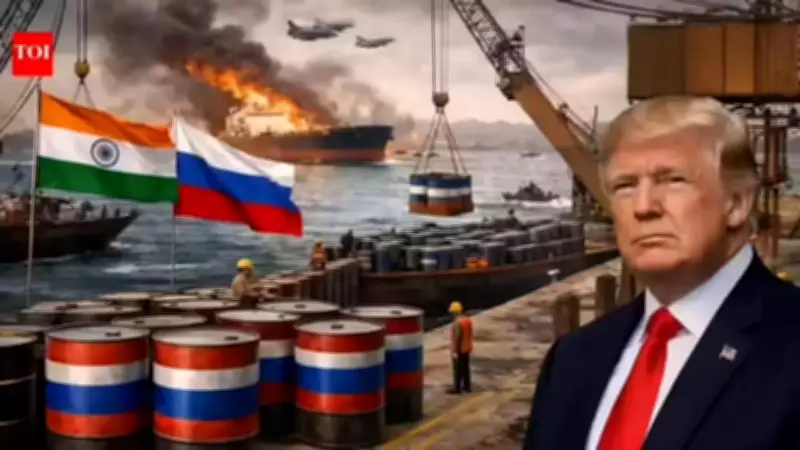
US Halts Waivers for Russian and Iranian Oil, Signaling Stricter Sanctions Stance
In a significant policy shift, the United States has announced it will not extend temporary waivers that permitted the sale of Russian and Iranian oil already at sea. Treasury Secretary Scott Bessent confirmed this decision on Wednesday, underscoring a tighter sanctions approach aimed at reinforcing Washington's "maximum pressure" strategy.
Details of the Waiver Termination
Secretary Bessent stated, "We will not be renewing the general license on Russian oil," during a press briefing. He clarified that the earlier relief applied only to oil loaded onto vessels before March 11, adding, "That was oil that was on the water prior to March 11, so all that has been used." This move follows a similar decision regarding Iranian oil, with waivers set to expire on April 11 for Russian crude and April 19 for Iranian shipments, neither of which will be extended.
Background and Global Impact
The waivers were initially introduced to mitigate global supply disruptions caused by the ongoing US-Iran conflict and the war, which led Iran to effectively shut the Strait of Hormuz—a critical route for global energy shipments. By allowing limited transactions for oil already loaded before specified deadlines, these measures aimed to stabilize markets temporarily. For instance, India benefited by continuing purchases of Russian oil, with reports indicating Indian refiners ordered approximately 30 million barrels during the waiver period.

Oil prices have surged since the conflict escalated, driving up fuel costs worldwide, including in the United States. The temporary nature of the waivers was emphasized by Bessent, who earlier explained, "To enable oil to keep flowing into the global market, the Treasury Department is issuing a temporary 30-day waiver to allow Indian refiners to purchase Russian oil. This deliberately short-term measure will not provide significant financial benefit to the Russian government as it only authorizes transactions involving oil already stranded at sea."
Political Criticism and Opposition
Despite their stated objectives, the waivers faced sharp criticism from opposition Democrats in the US. Senator Richard Blumenthal argued, "No way the Russia sanctions waiver should be extended. Trump’s waiver has handed Russia an extra $150 billion a day to fuel its murderous war machine killing & kidnapping Ukrainian kids—while it aids Iran with intelligence to target our troops." Other Democratic leaders, including Senate minority leader Chuck Schumer, labeled the policy as "dangerous" and urged the administration to reverse course.
In a joint statement, senators highlighted concerns about Russia benefiting from the sanctions relief, stating, "In addition to flouting notification requirements to Congress under the Countering America’s Adversaries Through Sanctions Act before relaxing sanctions on the Kremlin, Secretary Bessent characterized the license as a temporary and ‘short term’ measure that would not provide significant financial benefit to the Russian government. But Russia’s decision to cancel its planned budget cuts demonstrates that, as we warned, Russia is directly benefiting from the administration’s sanctions relief. It is incumbent on the Trump Administration to reverse this dangerous policy, ensure that Russia does not reap any additional benefit and prevent the United States from further boosting Putin’s war machine."
Implications for Global Markets
The end of these waivers is expected to tighten global oil supplies further, potentially exacerbating price volatility. Major refiners had already reduced purchases from Russian firms like Rosneft and Lukoil following sanctions, and this decision may force countries like India to seek alternative sources. As the US reinforces its sanctions framework, the move reflects a broader strategy to curb revenue streams for adversarial nations amid ongoing geopolitical tensions.

