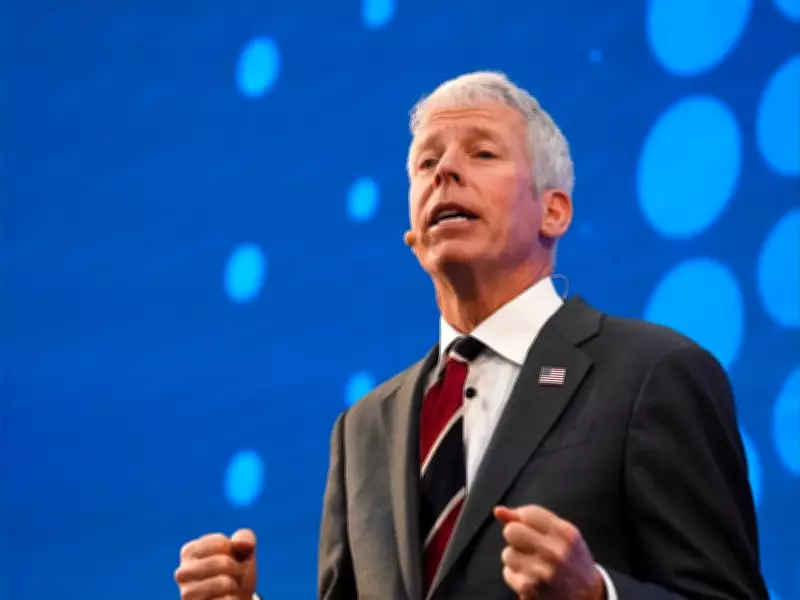
US Energy Secretary Details Short-Term Actions to Mitigate Energy Price Hikes
In a recent statement, US Energy Secretary Jennifer Granholm addressed ongoing efforts to stabilize energy costs, emphasizing the implementation of short-term measures designed to keep prices down for consumers. This announcement comes amid heightened global market volatility and inflationary pressures affecting economies worldwide.
Waiver Granted to India for Russian Oil Purchases
Granholm confirmed that the United States has issued a waiver to India, permitting continued purchases of Russian oil despite international sanctions. This move underscores the strategic diplomatic relationship between the two nations and aims to support India's energy security while navigating complex geopolitical dynamics.
The waiver is part of a broader US strategy to balance enforcement of sanctions with pragmatic considerations for key allies. It reflects an understanding of India's reliance on energy imports and the need to prevent supply disruptions that could exacerbate price spikes.

Short-Term Measures to Alleviate Price Pressures
Granholm outlined several immediate steps being taken by the US administration to combat rising energy prices. These include:
- Increasing domestic oil production through incentives and regulatory adjustments to boost supply.
- Releasing strategic petroleum reserves to inject additional crude into the market and dampen price increases.
- Promoting energy efficiency initiatives to reduce overall demand and lower costs for households and businesses.
These measures are intended as temporary solutions to provide relief while longer-term policies, such as investments in renewable energy and infrastructure, are developed and implemented.
Implications for Global Energy Markets and US-India Relations
The waiver for India highlights the nuanced approach the US is taking in its foreign policy, prioritizing alliances and economic stability alongside sanctions enforcement. This decision is expected to help India manage its energy needs without violating international norms, thereby supporting bilateral trade and cooperation.
Granholm stressed that such actions are crucial in the short term to prevent economic hardship, but she also reiterated the US commitment to transitioning toward sustainable energy sources to achieve long-term price stability and environmental goals.
As global energy markets continue to face uncertainties, the US's flexible stance on waivers and its proactive short-term measures may serve as a model for other nations grappling with similar challenges.