US Department of Labor Proposes Sweeping Overhaul of H-1B Visa Wage Rules
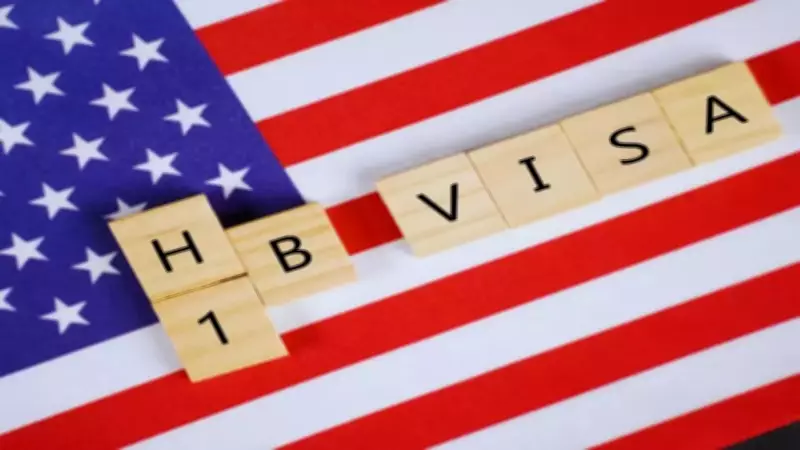
In a significant move that could reshape the hiring of foreign skilled professionals, the US Department of Labor (DOL) has proposed a sweeping overhaul of wage rules for H-1B visas and employment-linked green card programs. This proposal, released on March 26, aims to sharply increase minimum salary thresholds across all skill levels, potentially adding billions of dollars in wage payouts by employers annually.
Core Changes to Prevailing Wage System
At the heart of the proposal is a revision of the prevailing wage system, which determines the minimum salary employers must offer foreign workers. Currently, wages are pegged to four skill-based levels set at approximately the 17th, 34th, 50th, and 67th percentiles of market wages. The DOL now proposes to raise these thresholds significantly, effectively pushing wages upward across all levels.
For example, entry-level (Level I) wages could rise from the 17th percentile to the 34th percentile, aligning them with what is currently considered a mid-level wage. The DOL estimates that these changes would increase the average certified wage by approximately $14,000 per year per position.

DOL Prevailing Wage Levels: Current and Proposed
- Level I: Current 17th percentile, Proposed 34th percentile
- Level II: Current 34th percentile, Proposed 52nd percentile
- Level III: Current 50th percentile, Proposed 70th percentile
- Level IV: Current 67th percentile, Proposed 88th percentile
Aim to Curb Cheap Labor Practices
The DOL stated that the changes are intended to bring foreign worker wages in line with US market rates and prevent misuse of visa programs. US Labor Secretary Lori Chavez-DeRemer emphasized, "This proposed rule will help ensure that employers pay foreign workers wages that reflect the real market value of their labor."
The department argued that existing wage levels have been "dramatically below" market rates, particularly affecting entry-level US workers and recent graduates. The overhaul aims to reduce incentives for employers to replace US workers with lower-paid foreign labor and promote fair competition.
Impact on Visa Categories and Employment Routes
The proposed rule will apply to multiple visa categories and employment routes, including H-1B for specialty occupation workers and employment-linked green cards. Importantly, the changes will apply only to new applications filed after the rule takes effect, not to existing approvals.
Mitch Wexler, senior counselor at global immigration law firm Fragomen, noted, "The proposed revised percentiles are nearly identical to the percentiles proposed in the final wage rule issued at the end of the first Trump Administration, which was challenged in court and ultimately never took effect."
Employers sponsoring H-1B workers must submit a labor condition application (LCA) to the DOL, stipulating that they will pay at least the prevailing wage for that job and location. Similarly, PERM (Program Electronic Review Management) is a labor certification process employers must complete before sponsoring a foreign worker for a green card, which also requires offering the prevailing wage. The proposed regulation would significantly raise the required minimum wages for both H-1B hires and green card sponsorships.
Potential Salary Impact and Broader Context
The DOL estimates that the proposed wage level adjustments would increase the average certified wage by approximately $14,000 per year per position. Overall, the policy could result in billions of dollars in additional wage payouts by employers each year, with the biggest impact expected at lower wage levels. This would make hiring of H-1B workers, especially at entry levels, more expensive.
The proposal is not yet final and will undergo the federal rulemaking process, including a 60-day public consultation period after publication in the Federal Register and potential revisions. Immigration experts do not rule out legal challenges to the rule.

Lately, the H-1B program has been subject to multiple changes, including the replacement of the random lottery with a wage-weighted selection system, where higher prevailing wage levels improve selection odds; a $100,000 entry fee on new H-1B petitions for beneficiaries outside the US (a measure still under legal challenge); and social media vetting of H-1B/H-4 applicants, which has contributed to consular backlogs in India. The proposed wage hike will be yet another policy change that could impact hiring of skilled foreign workers.