US and Israel Launch Coordinated Strikes on Iran, Escalating Regional Conflict
The United States and Israel executed coordinated military strikes on Iran this Saturday, marking the most dramatic escalation in their long-running confrontation with Tehran. This recent offensive has pushed the volatile Middle East region perilously closer to the brink of a full-scale war, with immediate repercussions felt across several nations.
Immediate Impact and Global Reactions
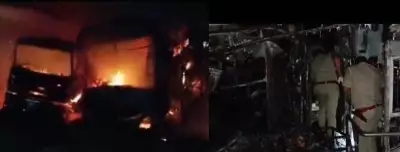
Reports indicate that missiles struck the US navy headquarters in Bahrain, while explosions were audibly heard in Abu Dhabi and Doha, highlighting the widespread nature of the conflict. In a related development, an AI Tel Aviv flight was forced to return to India amid the escalating hostilities, underscoring the disruption to international travel and commerce.
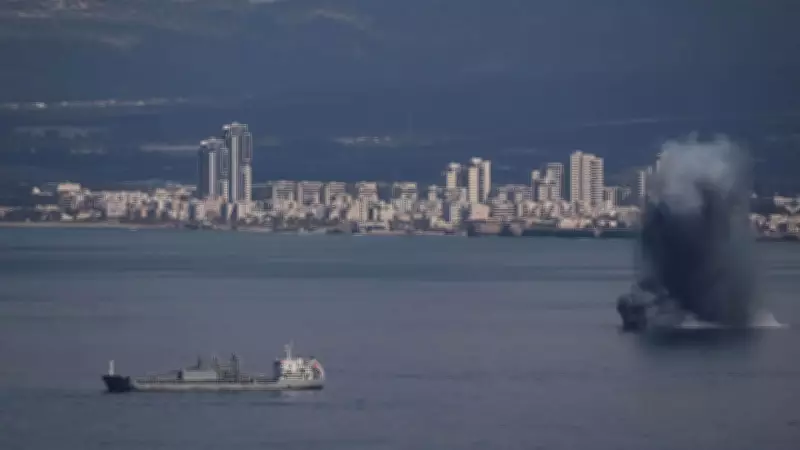
What began as months of mounting rhetoric, significant military build-up, and stalled diplomatic efforts has now decisively tipped into open conflict. Air and sea attacks have been reported near Tehran and across various locations in Iran, with retaliatory missile launches creating ripples of tension through Israel and the Gulf region.

Political Justifications and Strategic Objectives
US President Donald Trump has framed this operation as the commencement of "major combat operations," asserting that Iran’s nuclear and missile programmes pose an imminent threat not only to Israel but also to American forces, regional allies, and potentially the US homeland itself. Israel, for its part, has described the strikes as a pre-emptive move against what it characterizes as an existential danger, insisting that years of Iranian-backed proxy attacks and continuous weapons development left it with no viable alternative.
Iran has vehemently rejected these accusations, warning of a decisive and forceful response while portraying the assault as a blatant act of aggression against its national sovereignty. As airspace shuts down across the Middle East, missiles are intercepted over the Gulf, and civilians seek shelter in both Israel and Iran, the stakes have undeniably and sharply risen.
Five Key Factors Behind the Coordinated Strikes
To comprehend why this critical moment arrived and what drove Washington and Tel Aviv to act in unison, here are five essential factors behind the strikes:
- Prevent Nuclear Weapons Development: Both nations view Iran’s nuclear program and missile development as a direct and pressing threat that could potentially grant Tehran the capability to construct weapons capable of reaching regional or even global targets. This concern has been a longstanding issue and a primary driver of sustained military pressure.
- Eliminate "Imminent Threats": US President Donald Trump articulated the strikes as necessary to halt Iran’s continued aggressive activities, including alleged plans to significantly expand its missile arsenal, which is perceived as an immediate danger.
- Respond to Years of Tension and Proxy Attacks: The conflict is deeply rooted in a long-running rivalry, with Iran backing proxy militias across the Middle East. These militias have repeatedly attacked Israeli and US interests, fueling ongoing hostilities and necessitating a robust response.
- Pre-emptive Military Strategy: Israel has justified its actions on the grounds of a pre-emptive military strategy, aiming to disrupt Iran’s ability to develop dangerous weapons before the situation becomes uncontrollable and poses a greater threat.
- Undermine the Regime's Influence and Push for Change: Alongside clear military objectives, political leaders have suggested that these strikes could weaken Tehran's Khamenei regime and potentially inspire internal resistance, thereby linking security tactics with broader political aims aimed at regional stability.
The coordinated strikes represent a significant turning point in Middle Eastern geopolitics, with potential ramifications for global security and diplomatic relations. As the situation continues to evolve, the international community watches closely, anticipating further developments in this escalating conflict.