

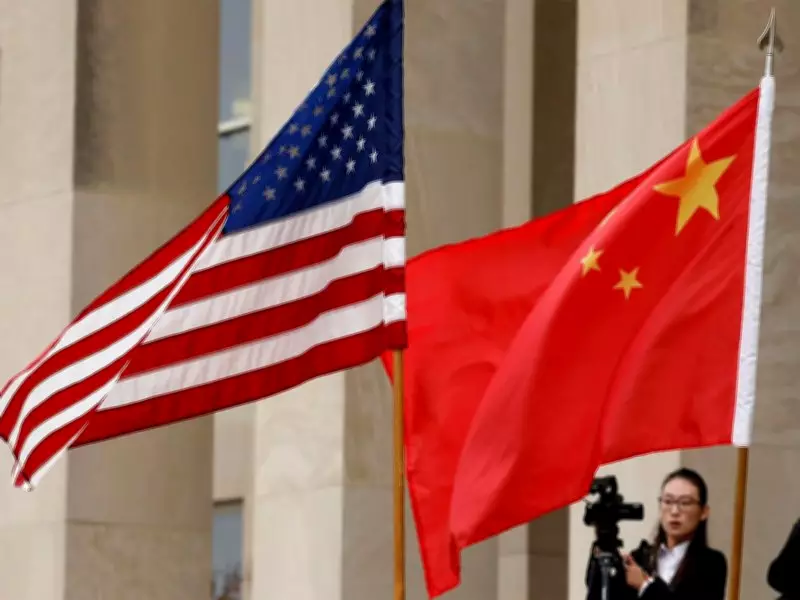
Senior US lawmakers have introduced new legislation aimed at tightening national security oversight of American investments in Chinese biotechnology companies. The move is intended to counter China's growing influence in the global biotech industry.
Biotech Investment National Security Act Unveiled
Congressman John Moolenaar, Chairman of the House Select Committee on China, and Congresswoman Debbie Dingell announced the Biotech Investment National Security Act (BINSA). The bill seeks to expand the review of outbound US investments in sectors deemed critical to national security, with a specific focus on biotechnology.
If enacted, BINSA would require that investments in pharmaceutical development, biologics manufacturing, and clinical research undergo scrutiny under the framework established by the Comprehensive Outbound Investment National Security (COINS) Act.

Concerns Over China's Biotech Rise
The legislation reflects growing concerns in Washington that American capital, technology, and expertise are accelerating China's biotechnology capabilities, potentially creating long-term risks for US economic and national security. Moolenaar accused major pharmaceutical companies of pursuing partnerships that strengthen China's position in this strategically important industry. He specifically cited deals involving firms such as Pfizer and Bristol, arguing that such arrangements threaten the future of domestic pharmaceutical production.
"American companies are making dangerous deals with Chinese biotech firms that jeopardise the future of American pharmaceutical manufacturing," Moolenaar said. He warned that unchecked investment could allow China to gain leverage over critical supply chains while undermining US research infrastructure and industrial competitiveness.
Dingell echoed these concerns, describing biotechnology as a sector that will shape the future of medicine, agriculture, manufacturing, and national security. She emphasised that the United States cannot afford to become dependent on China for critical pharmaceutical ingredients, drug development, or medical supply chains.
"Strengthening America's biotechnology and pharmaceutical industries is essential to protecting patients, creating jobs, and safeguarding national health and security interests," Dingell said.
Implications for the Biotech Sector
The proposed bill signals a significant shift in US policy toward Chinese biotech investments. If passed, it could reshape the landscape for cross-border partnerships and capital flows, potentially leading to a re-evaluation of existing deals and future collaborations. The legislation also highlights the increasing intersection of national security concerns with the pharmaceutical and biotech sectors, which have traditionally been viewed primarily through a commercial and public health lens.
Industry observers note that the bill could have far-reaching consequences for both US and Chinese companies, affecting everything from drug development timelines to supply chain configurations. The move is part of a broader trend in Washington to scrutinize investments in sensitive technologies, following similar actions in semiconductors and artificial intelligence.

