US Announces Temporary Sanctions Relief on Iranian Oil to Stabilize Global Markets
The United States has implemented a significant policy shift by temporarily lifting sanctions on the sale of Iranian oil that is currently stranded at sea. This strategic move aims to alleviate the soaring global crude prices that have been exacerbated by recent geopolitical tensions and supply disruptions.
Details of the Temporary Authorization
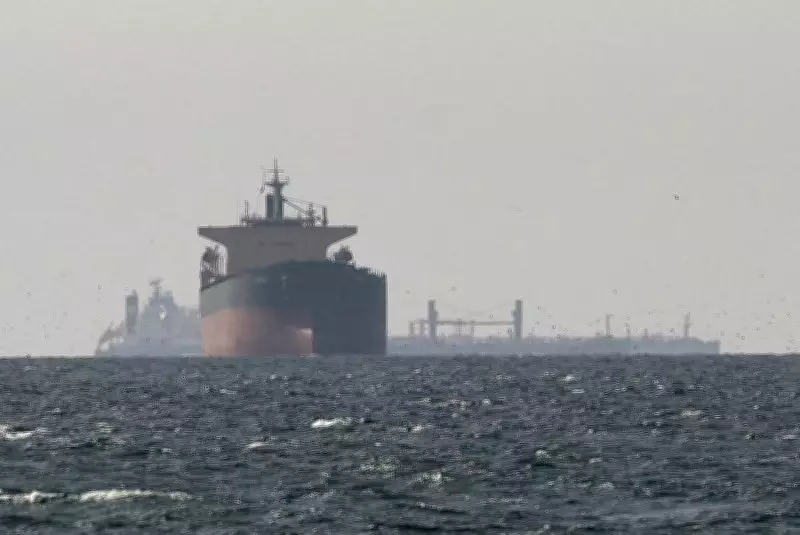
US Treasury Secretary Scott Bessent announced that this temporary, short-term authorization will make approximately 140 million barrels of Iranian oil available to global markets. The measure is strictly limited to oil already in transit and does not permit new purchases or production, ensuring it is a targeted intervention rather than a broader sanctions rollback.
The authorization is set to begin on Friday and will conclude on April 19, 2026, providing a brief window for the release of this substantial oil reserve. Bessent emphasized that Iran will face difficulties in accessing any revenue generated from these sales, as the US continues to maintain maximum pressure on the Islamic Republic's financial systems.

Impact on Global Crude Prices
The price of Brent crude has experienced extreme volatility, swinging from around USD 70 per barrel before the onset of recent conflicts to as high as USD 119.50 this week. This sharp increase has contributed to rising fuel costs globally, with petrol prices in the US escalating from USD 3 a gallon to USD 3.99.
By unlocking this existing supply, the US aims to quickly inject additional oil into the market, helping to relieve temporary supply pressures caused by Iran's actions. Bessent noted that this strategy effectively uses Iranian barrels against Tehran to keep prices down, aligning with ongoing military efforts under Operation Epic Fury.
Geopolitical Context and Broader Efforts
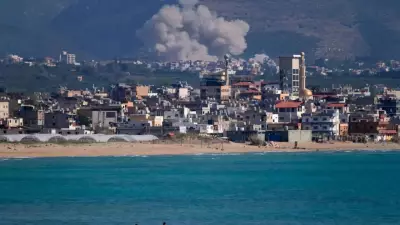
This sanctions relief comes amid heightened tensions in the Middle East, particularly involving the US-Israeli conflict with Iran. The Strait of Hormuz, a critical chokepoint for global oil shipments, has been a focal point of these disruptions.
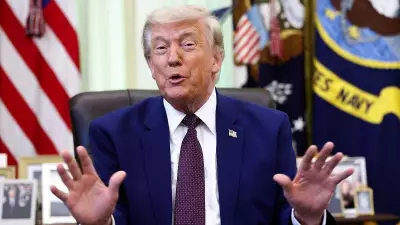
US President Donald Trump indicated that the administration is considering winding down military operations against Iran but is not seeking a ceasefire. In a post on Truth Social, Trump stated, "We are getting very close to meeting our objectives as we consider winding down our great Military efforts in the Middle East with the terrorist regime of Iran." He clarified that while dialogue is possible, a ceasefire is not on the table, reflecting a continued hardline stance.
Additionally, the Trump Administration has been working to bring around 440 million additional barrels of oil to the global market, further undercutting Iran's ability to leverage disruptions in the Strait of Hormuz. Bessent highlighted that sanctioned Iranian oil has been hoarded by China at low prices, and this temporary measure seeks to redistribute that supply more broadly.
Conclusion and Future Implications
The temporary lifting of sanctions on Iranian oil represents a calculated effort by the US to stabilize energy markets while maintaining pressure on Iran. As global crude prices remain a critical concern for economies worldwide, this move could provide short-term relief, though its long-term effects on US-Iran relations and oil market dynamics remain to be seen.