US Military Buildup in West Asia Fuels Fears of Wider War with Iran
A significant and rapid US military buildup in West Asia has intensified fears of a broader conflict erupting in the region. This buildup has advanced to such an extent that President Donald Trump now possesses the option to initiate military action against Iran as early as this weekend, according to statements from administration and Pentagon officials. This development places the White House at a critical juncture, facing high-stakes decisions between pursuing diplomatic avenues or escalating towards war.
Diplomatic Efforts Amid Military Preparations
The drive to assemble a formidable military force capable of striking Iran's nuclear program, its ballistic missiles, and associated launch sites has persisted throughout this week. This military mobilization continues despite indirect talks held between the two nations on Tuesday. During these discussions, Iran requested a two-week period to return with more detailed proposals for a diplomatic resolution to the ongoing tensions.
Iranian and US negotiators convened on Tuesday, with Iranian Foreign Minister Abbas Araqchi announcing that they had reached an agreement on "guiding principles." However, White House Press Secretary Karoline Leavitt clarified on Wednesday that significant differences remain between the two sides on several key issues. A senior US official indicated that Iran is expected to submit a written proposal outlining how it intends to address US concerns, adding a layer of formality to the diplomatic process.

Trump's Stance and Regional Dynamics
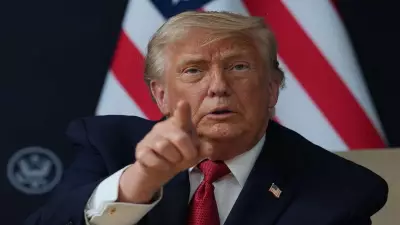
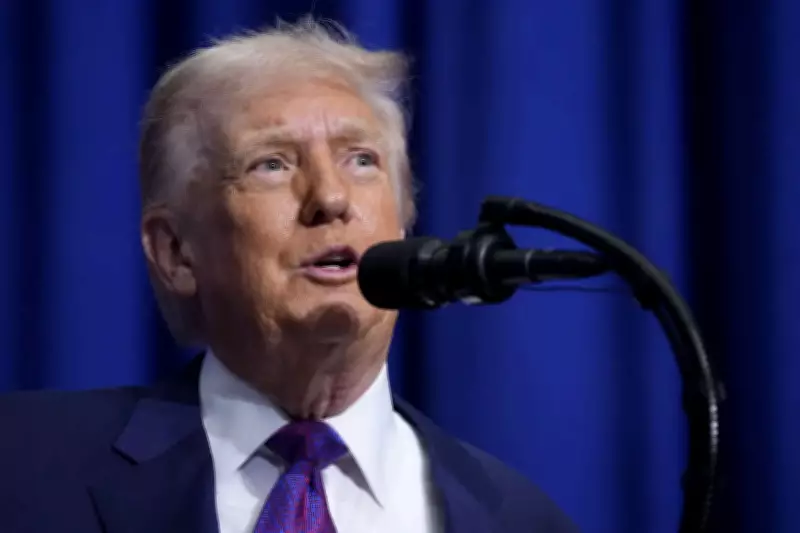
President Trump has publicly called on Tehran to join the United States on the "path to peace," emphasizing that Iran cannot possess a nuclear weapon. "They can't have a nuclear weapon, it's very simple," Trump stated. "You can't have peace in the Middle East (West Asia) if they have a nuclear weapon." Trump has repeatedly demanded that Iran abandon its nuclear program entirely, including ceasing all uranium enrichment activities.
Israeli Prime Minister Benjamin Netanyahu, whose country could potentially participate in any military action against Iran, has been actively advocating for measures to weaken Iran's missile capabilities, which pose a direct threat to Israel. Israeli forces have been on heightened alert for several weeks and are intensifying preparations for a possible conflict, reflecting the escalating regional tensions.
Iran, for its part, has resisted making major concessions regarding its nuclear program, consistently asserting that its activities are solely for peaceful purposes. This stance has contributed to the deadlock in negotiations and fueled the current military buildup.
Military Capabilities and Strategic Targets
The US military buildup suggests a wide array of potential Iranian targets, including short and medium-range missiles, missile storage depots, nuclear facilities, and other strategic sites such as the headquarters of Iran's Revolutionary Guard. This comprehensive targeting strategy underscores the seriousness of the US military posture in the region.
Despite President Trump's tough rhetoric, the Pentagon was reportedly in a weak position to support such actions just last month. The approximately 30,000 to 40,000 US troops stationed across West Asia, including at eight permanent bases, were inadequately equipped with air defenses to protect against expected Iranian retaliation. However, over the past month, the US military has rapidly deployed necessary air defense systems, including Patriot missile defense and Terminal High Altitude Area Defense (THAAD) systems. Both of these advanced systems are capable of intercepting Iranian ballistic missiles, significantly enhancing US defensive capabilities.
An official noted that the US military is now in a position to defend itself from any Iranian retaliation following American strikes on Iranian nuclear and military targets, at least for a short-duration campaign. Nevertheless, the official highlighted that a critical question remains: whether the US military is prepared to sustain a longer and more extensive war, should hostilities escalate beyond initial engagements.