

U.S. Navy Firmly Denies Allegations of Food Shortages on Warships in Middle East
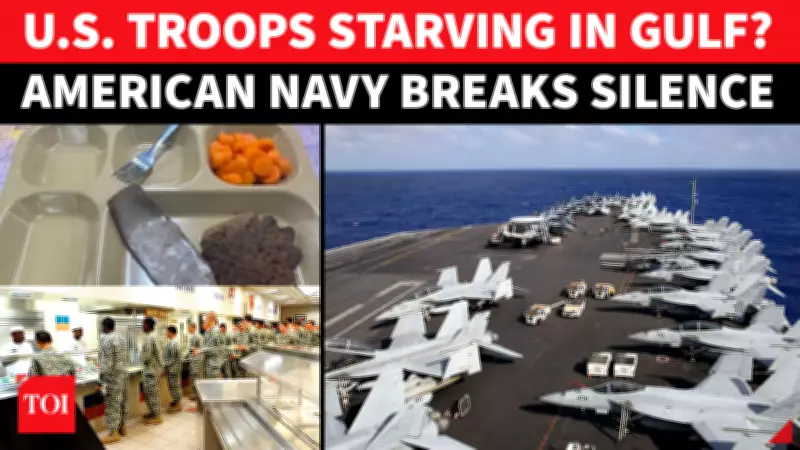
The U.S. Navy has issued a forceful rebuttal to recent viral reports and unverified images that claimed sailors aboard key warships in the Middle East are facing hunger due to logistical failures. These allegations, which specifically targeted vessels like the USS Abraham Lincoln and USS Tripoli during Operation Epic Fury, have been labeled as "false" and "misleading" by Pentagon officials and the Office of the Chief of Naval Operations.
Navy Officials Address Claims of Insufficient Supplies
In response to the circulating rumors, Navy spokespersons have emphasized that there is no shortage of food for personnel. They acknowledged only "routine menu adjustments" and a temporary suspension of personal mail delivery, which are standard operational procedures in high-tempo environments. The military asserts that the "world's strongest military" remains fully provisioned and combat-ready, with no impact on mission effectiveness.
Context of Operation Epic Fury and Logistical Challenges
Operation Epic Fury, a significant military deployment in the Middle East, involves complex logistical support for multiple warships. While the Navy admits to occasional adjustments in supply chains—common in such operations—they stress that these do not equate to food shortages. The rebuttal aims to counter misinformation that could undermine morale and public confidence in U.S. military capabilities abroad.

- Reports of hunger among sailors are categorically false.
- Only minor, routine adjustments to menus have occurred.
- Personal mail services were temporarily paused but have since resumed.
- The fleet maintains full operational readiness with adequate supplies.
This incident highlights the challenges of managing information in the digital age, where unverified claims can quickly gain traction. The U.S. Navy's swift response underscores its commitment to transparency and the well-being of its personnel, even as it navigates the complexities of extended deployments in strategic regions like the Middle East.

