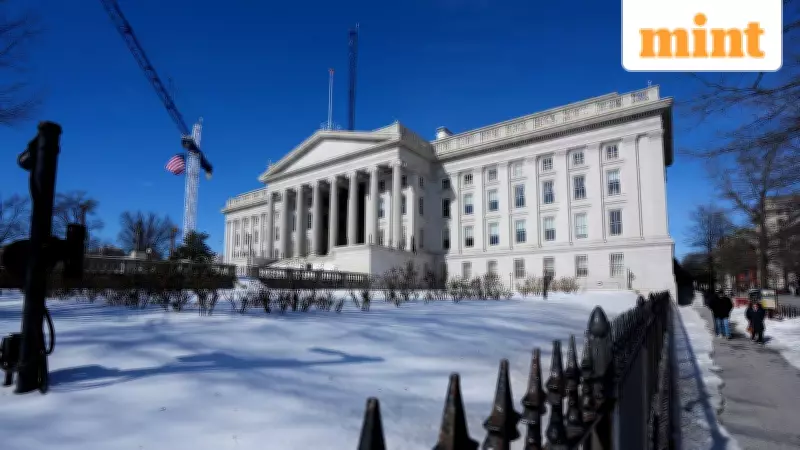
The United States government entered a partial shutdown on Saturday, January 31, as the House of Representatives awaited approval of a funding agreement negotiated by President Donald Trump with Democratic lawmakers. This temporary lapse in federal operations is anticipated to be brief, with most essential government functions continuing uninterrupted.
Impact on Federal Operations and Essential Services
Unlike the extensive 43-day shutdown that occurred in the autumn of 2025, this partial shutdown is more limited in scope. Many federal employees who work on weekends are classified as essential workers and have not been furloughed. Critical services such as military operations and air traffic control remain active, ensuring minimal disruption to national security and public safety.
Key Agencies Affected by the Shutdown
The shutdown primarily impacts agencies that have not yet received full funding for the fiscal year. According to a White House memorandum, the affected departments include:

- Treasury Department
- Department of Defence
- Department of Homeland Security
- Department of Transportation
- Department of Health and Human Services
- Department of Labor
These agencies will experience temporary closures until funding is restored. However, several other government sectors are already funded through the end of the federal fiscal year on September 30, mitigating the overall impact.
Funding Secured for Critical Programs
Important government programs continue to operate without interruption due to previously secured funding. This includes:
- The Department of Agriculture, ensuring food stamp programs remain active
- National parks and veterans’ services
- The Justice Department
This partial funding has helped prevent the widespread disruptions seen during previous shutdowns, such as halted food aid and canceled flights.
Political Context and Legislative Process
This marks the second time Congress has failed to fund the government since President Trump returned to office last year. The shutdown stems from a political impasse following the death of a US citizen, Alex Pretti, in a confrontation with Border Patrol officers in Minneapolis last weekend.
Democratic lawmakers have refused to renew funding for the Department of Homeland Security unless new restraints are placed on immigration enforcement. Their demands include requirements for body cameras on DHS agents, judicial warrants for certain actions, prohibitions on agent masking, and restrictions on broad immigration sweeps.
Path Forward and Expected Resolution
House Speaker Mike Johnson has expressed confidence that the shutdown will end within a few days. The House Rules Committee has scheduled a vote on the spending measure for its Monday afternoon meeting, with plans to send it to the floor for final passage.
Russ Vought, Director of the Office of Management and Budget, stated in a memo on Friday, "It is our hope that this lapse will be short." He added that the administration is prepared to order the government to reopen as soon as President Trump signs the funding bill into law.
Uncertainty remains regarding potential delays in government data releases, such as the Bureau of Labor Statistics' monthly jobs report scheduled for Friday, if the shutdown persists briefly.
The partial nature of this shutdown, combined with continued essential services and secured funding for key programs, suggests a less severe impact compared to previous government closures. However, it underscores ongoing political tensions in Washington over immigration policy and federal spending priorities.