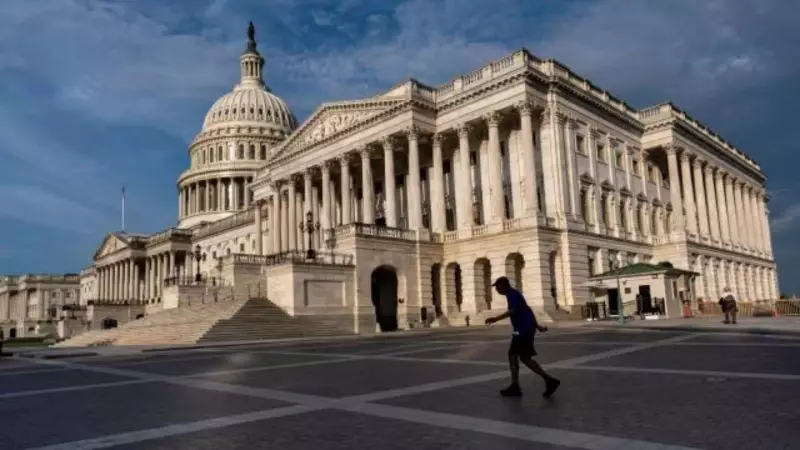
In a crucial development that has captured international attention, top leaders in the United States Senate have successfully negotiated a temporary solution to prevent an imminent government shutdown. This breakthrough comes as a relief to millions of Americans and observers worldwide who were bracing for potential federal service disruptions.
Bipartisan Breakthrough Prevents Fiscal Crisis
The agreement, reached after intense negotiations between Democratic and Republican leadership, establishes a short-term funding extension that will keep federal agencies operational while lawmakers work on more comprehensive spending legislation. The deal represents a rare moment of cross-party cooperation in the deeply divided American political landscape.
According to sources familiar with the negotiations, Senate Majority Leader Chuck Schumer and Republican Leader Mitch McConnell played pivotal roles in brokering the compromise. The arrangement demonstrates that despite significant ideological differences, both parties recognize the severe consequences that would follow a government shutdown.

Key Details of the Funding Agreement
The temporary measure, known as a continuing resolution, extends current spending levels for federal agencies through early March. This approach provides lawmakers with additional time to negotiate and pass full-year appropriations bills that will fund government operations through the remainder of the fiscal year.
The timing of this agreement is particularly significant, as it comes just days before the previous funding was set to expire. Without this intervention, numerous federal departments would have been forced to cease non-essential operations, potentially affecting everything from national parks to regulatory agencies and various public services.
Global Implications and Market Impact
The resolution of this immediate fiscal crisis has broader implications beyond American borders. As the world's largest economy, stability in United States governance directly affects global financial markets and international economic confidence. The avoidance of a shutdown prevents potential disruptions to economic data releases, regulatory functions, and international trade operations handled by federal agencies.
Financial markets had been closely monitoring the situation, with investors expressing concern about the potential economic ripple effects of a prolonged government closure. The timely agreement has helped alleviate these worries and maintains continuity in government operations that support both domestic and international economic activities.
While this temporary fix addresses the immediate threat, lawmakers now face the challenge of reaching consensus on longer-term spending priorities. The coming weeks will determine whether this bipartisan cooperation can be sustained to pass more permanent funding solutions that reflect the nation's diverse needs and policy priorities.