US Military Conducts Strike on Iranian Warship in Gulf of Oman
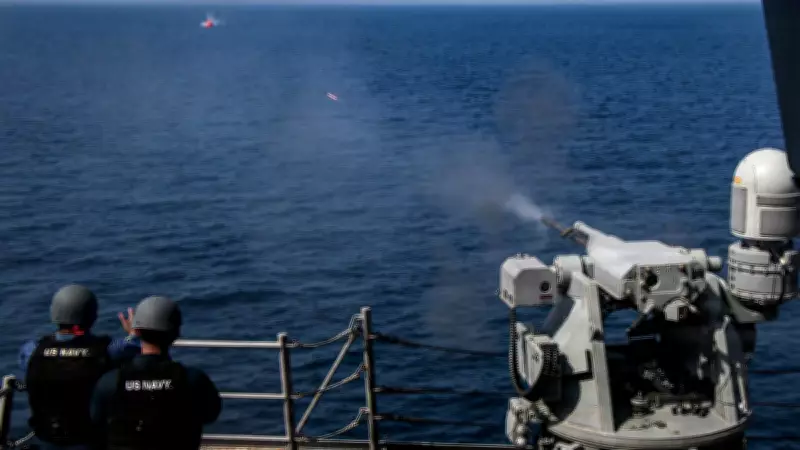
The United States military has executed a targeted strike against an Iranian warship, the Jamaran corvette, in the Gulf of Oman, according to an official update from US Central Command (CENTCOM). This operation, confirmed on March 1, 2026, marks a significant escalation in regional tensions and underscores the volatile security dynamics in one of the world's most critical maritime chokepoints.
Details of the Military Operation
The strike targeted the Jamaran, a guided-missile corvette operated by the Islamic Republic of Iran Navy. CENTCOM stated that the action was taken in response to perceived threats posed by Iranian naval activities in the area. The Gulf of Oman, a strategic waterway connecting the Arabian Sea to the Strait of Hormuz, is vital for global oil shipments and has been a flashpoint for international conflicts.
Initial reports indicate that the US forces utilized precision-guided munitions to neutralize the vessel, aiming to minimize collateral damage. The Iranian warship was reportedly engaged in maneuvers that US officials deemed provocative, although specific details of the incident leading to the strike remain under investigation by military analysts.

Regional and Global Implications
This development comes amid heightened tensions between the United States and Iran, which have been simmering for years over issues such as nuclear proliferation, regional influence, and maritime security. The strike on the Jamaran is likely to exacerbate diplomatic strains and could trigger retaliatory measures from Tehran, potentially destabilizing the broader Middle East.
Key factors to consider include:
- The strategic importance of the Gulf of Oman for international trade, with approximately 20% of the world's oil passing through nearby waterways.
- Previous incidents of naval confrontations in the region, including attacks on commercial vessels and drone strikes.
- The role of CENTCOM in overseeing US military operations in the Middle East and Central Asia, highlighting its proactive stance in countering perceived threats.
International Reactions and Future Outlook
Global leaders and security experts are closely monitoring the situation, with concerns about a potential escalation into a broader conflict. The United Nations and other international bodies may call for de-escalation talks, but the immediate aftermath suggests a hardening of positions on both sides.
In the coming days, observers anticipate increased naval patrols and heightened alert levels in the Gulf of Oman. The incident underscores the fragile balance of power in the region and the ongoing challenges of maintaining maritime security amidst geopolitical rivalries.
As updates emerge, CENTCOM is expected to provide further details on the operational specifics and any subsequent actions. For now, the strike on the Iranian warship Jamaran stands as a stark reminder of the persistent volatility in Middle Eastern waters and the complex interplay of military and diplomatic strategies shaping global affairs.