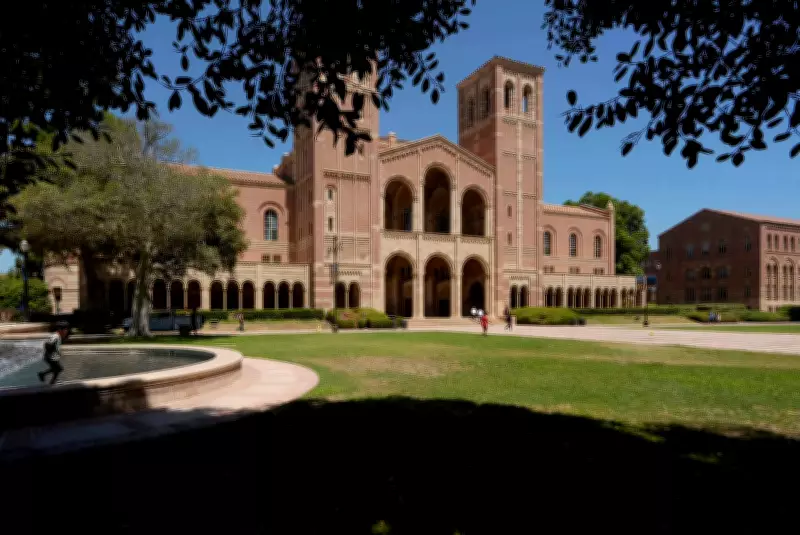
Federal Lawsuit Targets UCLA Over Antisemitism During Campus Protests
The United States Department of Justice has initiated a significant federal lawsuit against the University of California, Los Angeles, alleging that the institution failed to adequately protect Jewish and Israeli employees from antisemitic harassment during pro-Palestine protests in 2023 and 2024. This legal action represents a notable escalation in federal scrutiny of universities accused of insufficient responses to antisemitism on campus.
Allegations of Institutional Failure
According to the comprehensive 81-page complaint filed in California federal court, UCLA allegedly violated its own anti-discrimination policies by permitting protest encampments to continue despite documented antisemitic conduct. Federal officials contend that the university "turned a blind eye" to numerous complaints from Jewish and Israeli employees who reported facing a hostile work environment.
The lawsuit specifically focuses on a 2024 protest encampment that federal authorities claim blocked Jewish employees and students from accessing certain campus areas. The complaint details that these encampments featured antisemitic signs and chants, creating what the Justice Department describes as an unacceptable atmosphere of harassment.

Violent Escalation and Institutional Response
The situation reached a dangerous climax when counterprotesters attacked the encampment, deploying pepper spray and throwing traffic cones during hours of violent confrontation that injured more than a dozen individuals before police intervention. The following day, authorities arrested over 200 people who defied dispersal orders.
This lawsuit follows a previous $6 million settlement between UCLA and three Jewish students plus one Jewish professor who had sued the university last year. Federal officials now argue that "the impact on Jewish and Israeli employees goes much deeper" than what was addressed in that earlier resolution.
UCLA's Institutional Defense
In response to the allegations, UCLA has issued a statement through Vice Chancellor for Strategic Communications Mary Osako, asserting that "antisemitism is abhorrent and has no place at UCLA or elsewhere." The university maintains it has implemented concrete measures to strengthen campus security and address antisemitism concerns.
UCLA highlights several institutional changes, including the creation of an Office of Campus and Community Safety, adoption of new protest management policies, and Chancellor Julio Frenk's initiative to combat antisemitism and anti-Israeli bias. The university has indicated it will vigorously defend its actions and commitment to maintaining a safe, inclusive environment for all community members.
Broader Federal Campaign and Campus Implications
This lawsuit forms part of a wider federal effort to pressure universities over antisemitism allegations. While most attention has focused on private institutions, UCLA represents one of the few public universities targeted in this campaign. The case raises fundamental questions about institutional responsibility during large-scale protests, forcing administrators to balance free expression rights against anti-discrimination obligations.
For faculty and staff, the lawsuit centers on workplace protections under federal civil rights law, which requires employers to prevent hostile work environments based on protected characteristics. For students, the implications include potential tightening of protest policies, disciplinary procedures, and campus access regulations.
Financial and Legal Ramifications
The legal action follows previous federal attempts to impose financial penalties on UCLA, including a $1 billion settlement demand last summer and temporary funding cuts amounting to hundreds of millions of dollars. Although a federal judge restored funding in September and barred additional fines in November, the current lawsuit seeks judicial intervention to require UCLA to enforce its anti-discrimination policies and award damages to affected Jewish employees.

As this case progresses through federal court, its outcome may establish important precedents for how universities nationwide define protest boundaries and fulfill their duty to protect employees and students during periods of political unrest. The resolution could significantly influence campus policies, funding relationships with federal agencies, and institutional approaches to balancing competing rights and responsibilities.