White House Confirms 25% Tariff on Indian Imports Over Russian Oil Purchases
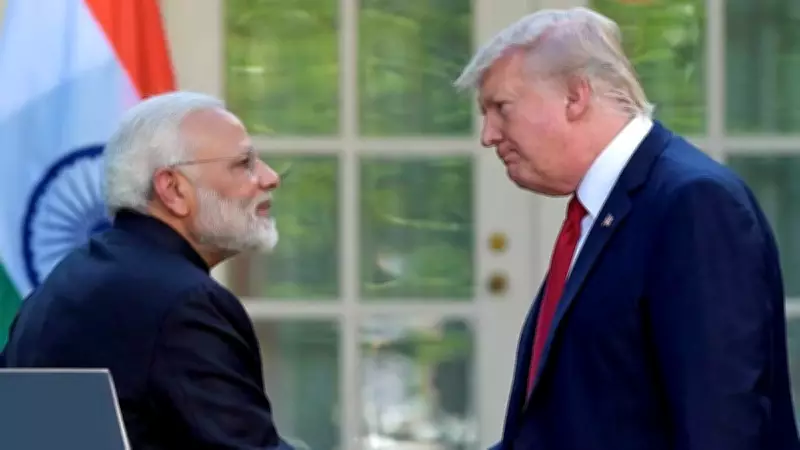
The White House has made a significant announcement that is set to impact bilateral trade relations between the United States and India. In a move that underscores growing geopolitical tensions, the US administration has confirmed it will impose an additional 25% tariff on imports from India. This decision comes as a direct response to India's ongoing purchases of Russian oil, which have persisted despite international pressure and sanctions against Moscow following its invasion of Ukraine.
Escalating Trade Tensions Between Allies
This development marks a notable escalation in the trade dynamics between two strategic partners. The United States and India have enjoyed a robust economic relationship in recent years, with bilateral trade reaching substantial figures. However, the imposition of this tariff signals a potential strain, as Washington seeks to enforce its foreign policy objectives regarding Russia. The White House's stance reflects its broader strategy to curb Moscow's revenue streams from oil exports, which are seen as funding its military operations.
Impact on Indian Exports and Economy
The additional 25% tariff is expected to have a considerable impact on Indian exports to the United States. Key sectors that could be affected include:

- Textiles and Apparel: India is a major exporter of garments and fabrics to the US market.
- Pharmaceuticals: The country supplies a significant portion of generic drugs and medical products.
- Engineering Goods: Items such as machinery and auto parts are prominent in trade flows.
- Agricultural Products: Spices, rice, and other food items face potential price increases.
This tariff could lead to higher costs for American consumers and businesses, while Indian exporters may need to explore alternative markets or absorb the additional expenses. The move might also prompt New Delhi to reconsider its energy procurement strategies, balancing economic interests with diplomatic relations.
Background and International Context
India's decision to continue purchasing Russian oil stems from its need to secure affordable energy sources amid global price volatility. As one of the world's largest oil importers, India has leveraged discounted Russian crude to manage its energy costs and support economic growth. However, this has put it at odds with Western allies, particularly the United States, which has led efforts to isolate Russia economically.
The White House's tariff announcement follows months of diplomatic discussions and warnings. It aligns with broader US policies aimed at enforcing sanctions and reducing reliance on Russian energy. Other nations have faced similar pressures, but India's case is particularly significant due to its strategic importance in the Indo-Pacific region and its role as a counterbalance to China.
Potential Responses and Future Outlook
In response to the tariff, India is likely to evaluate its options, which could include:
- Diplomatic Negotiations: Engaging in talks to seek exemptions or phased implementations.
- Retaliatory Measures: Imposing tariffs on US goods, though this might escalate tensions further.
- Diversification Efforts: Accelerating plans to source oil from other countries or invest in renewable energy.
The situation highlights the complex interplay between trade, energy security, and foreign policy. As both nations navigate these challenges, the outcome could shape not only their bilateral relationship but also global trade patterns and geopolitical alliances. Observers will be closely watching for any developments that might mitigate the impact or lead to a broader resolution.