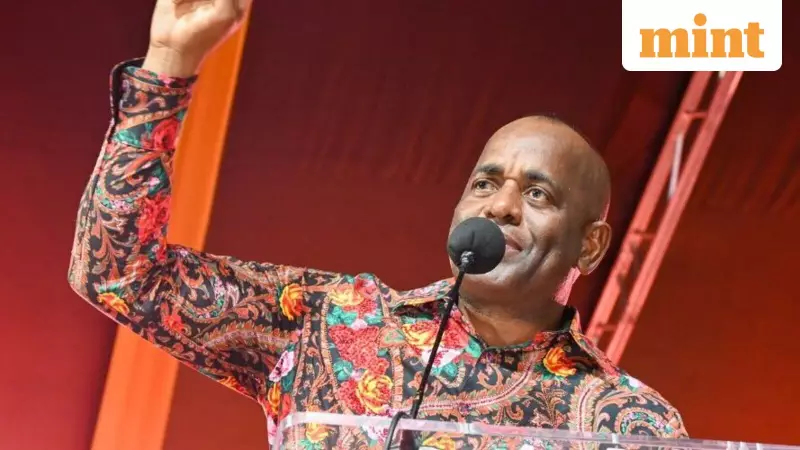
The United States has entered into a significant agreement with the Caribbean nation of Dominica, paving the way for Washington to begin sending foreign nationals seeking asylum in the US to the island. The deal was confirmed on Monday, local time, as part of ongoing diplomatic engagements between the two countries.
Deal Forged Amid Visa Restrictions
Prime Minister Roosevelt Skerrit described the pact as a key area of collaboration with the United States. This development comes after Dominica was included in a partial visa restriction policy under a US travel ban affecting 39 countries. That policy, announced last year, took effect from 1 January 2026.
The Dominican government has been actively negotiating with US authorities to reverse these travel restrictions. In a statement, it confirmed it "continues its engagement with the United States Embassy in Bridgetown and the State Department in Washington … in an effort to reverse a decision announced by the White House." US officials have clarified that Dominican citizens holding valid visas can still travel to the US as usual.

Security Concerns and Unanswered Questions
While welcoming the broader collaboration, Prime Minister Skerrit was clear about one condition. He insisted, based on careful deliberations, that Dominica "is not interested in taking in individuals with a violent past" who could compromise national security.
However, critical details of the arrangement remain undisclosed. Skerrit did not provide a timeline for when the transfer of asylum seekers would begin. This lack of clarity has sparked concern within Dominica.
Public and Political Apprehension Grows
The announcement has raised alarms among citizens and opposition leaders about the potential strain on the island's limited resources. Thomson Fontaine, leader of the main opposition party, voiced these worries in an interview. He pointed out that the Prime Minister has not informed the public about crucial specifics.
"The prime minister still has not told the Dominican public what exactly he has agreed to, in terms of the numbers of persons that are going to come to Dominica, where will they be housed, how will they be taken care of," Fontaine stated.
Dominica is not alone in this regional shift. On the same Monday, the neighbouring islands of Antigua and Barbuda also announced signing a non-binding memorandum of understanding (MoU) with the US. This MoU is part of American efforts to share responsibility for refugees already within its territory.