Gurugram CEO Faces US Visa Rejection Citing Weak Connections to India
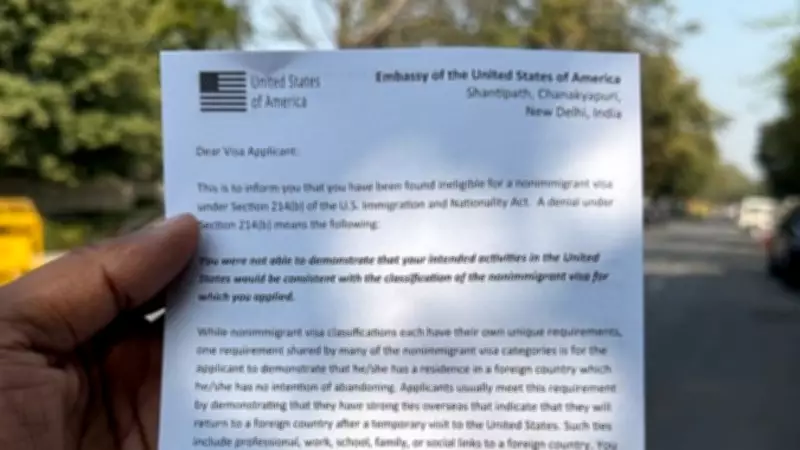
A prominent CEO from Gurugram, Haryana, has publicly claimed that his application for a United States visa was turned down by American authorities. The reason provided, as stated by the executive, was an assessment of "weak ties to India," a justification that has ignited discussions within business and immigration circles.
Details of the Visa Application and Rejection
The CEO, whose identity has been widely reported in media outlets, applied for a US visa through standard consular procedures. According to his account, during the review process, officials determined that his connections to India were not strong enough to guarantee his return after the intended visit. This decision was communicated formally, leaving the executive unable to travel for planned business engagements in the United States.
This incident highlights a broader pattern where visa applications are scrutinized based on applicants' roots and commitments to their home country. In this case, despite the CEO's professional standing and economic contributions in Gurugram, a major corporate hub, the assessment focused on perceived insufficient personal or familial ties to India.

Implications for Professionals and Immigration Policies
The rejection raises significant questions about the criteria used in US visa adjudications, particularly for high-profile individuals from regions like Gurugram, which is part of the National Capital Region (NCR). Professionals often travel internationally for work, and such decisions can impact business operations, collaborations, and economic exchanges between India and the US.
Experts note that visa denials based on "weak ties" are not uncommon, but they typically involve applicants with less established careers or limited assets in their home country. For a CEO, this case is seen as unusual and has prompted calls for greater transparency in the visa evaluation process.- Impact on Business: The CEO's inability to travel could affect deals, meetings, and networking opportunities in the US, potentially hindering cross-border business growth.
- Policy Scrutiny: This incident may lead to renewed examination of US immigration policies, especially regarding how ties to one's home country are assessed for visa applicants from India.
- Professional Concerns: Other Indian professionals, particularly those in corporate roles, might worry about similar rejections, affecting their travel plans and international engagements.
Broader Context and Reactions
The news has garnered attention across India, with many expressing surprise and concern over the visa denial. Gurugram, as a key economic center, is home to numerous executives and entrepreneurs who frequently travel abroad. This case underscores the challenges they might face in navigating visa processes, even with substantial professional credentials.
In response, some industry leaders have advocated for clearer guidelines from US consulates to prevent such situations. They argue that while security and immigration compliance are paramount, decisions should better account for an applicant's professional status and contributions to their home economy.
As discussions continue, this incident serves as a reminder of the complexities in international travel and visa regulations, particularly for Indian professionals seeking to engage globally. It may also influence future visa applications, with applicants potentially bolstering their documentation to demonstrate stronger ties to India.