

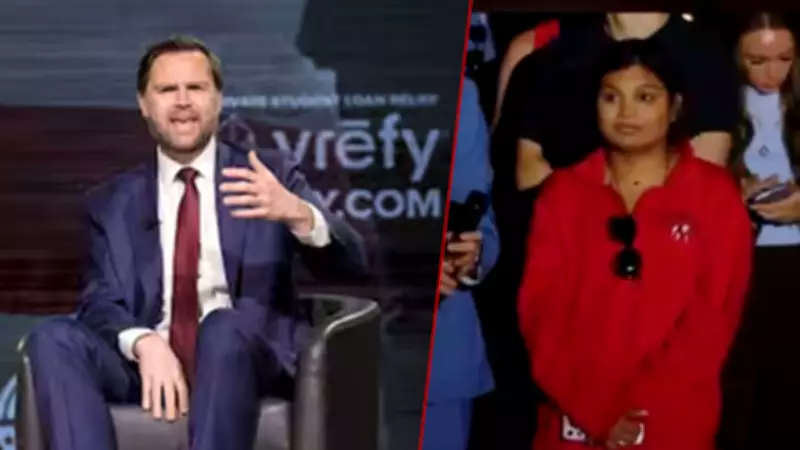
JD Vance's Complex Immigration Message: Applauding Indian Contributions While Targeting Visa Fraud
US Vice President JD Vance has ignited a nuanced discussion on immigration by blending personal appreciation with policy criticism. In recent remarks, Vance lauded his Indian-origin in-laws as "great contributors" who have significantly strengthened the United States, while simultaneously raising alarms about fraudulent activities within the H-1B visa system.
A Personal Touch in Political Discourse
Vance's comments carry particular weight due to his familial connections. By publicly acknowledging the positive impact of his Indian relatives, he adds a human dimension to the often-abstract immigration debate. This personal narrative underscores his belief in the value of skilled immigrants who successfully integrate into American society.
However, Vance's praise comes with a critical counterpart. He has pointed to concerning patterns of fraud in the H-1B visa program, which is heavily utilized by Indian professionals seeking employment in the United States. This dual messaging reflects the intricate balancing act in contemporary US immigration politics.

Broader Shifts in US Immigration Policy
The Vice President's statements mirror significant transformations in American immigration strategy. Recent regulatory changes are creating a more restrictive environment for foreign talent, characterized by:
- Tighter eligibility requirements that raise the bar for applicants
- Substantially increased costs through higher application fees
- Revised prioritization systems that favor candidates with higher wage offers
These modifications are fundamentally reshaping opportunities for international professionals, with Indian workers representing a substantial portion of those affected. The pathway for global talent is becoming increasingly selective and competitive.
Implications for India and Global Mobility
For India, which remains a primary source of H-1B visa applicants, these policy shifts carry profound consequences. The changing landscape affects multiple dimensions:
- Employment prospects for Indian professionals seeking US opportunities
- Career mobility and international experience for skilled workers
- Future aspirations of students and professionals considering American pathways
Vance's emphasis on integration into American identity while acknowledging immigrant contributions captures the complex reality facing policymakers. His approach suggests support for immigration that strengthens national cohesion, coupled with vigilance against systemic vulnerabilities.
The Vice President's remarks highlight how immigration discourse continues to evolve, balancing appreciation for immigrant contributions with concerns about program integrity. As regulations tighten and costs rise, the relationship between skilled migration and national interests remains a pivotal issue in US-India relations and global talent mobility.

