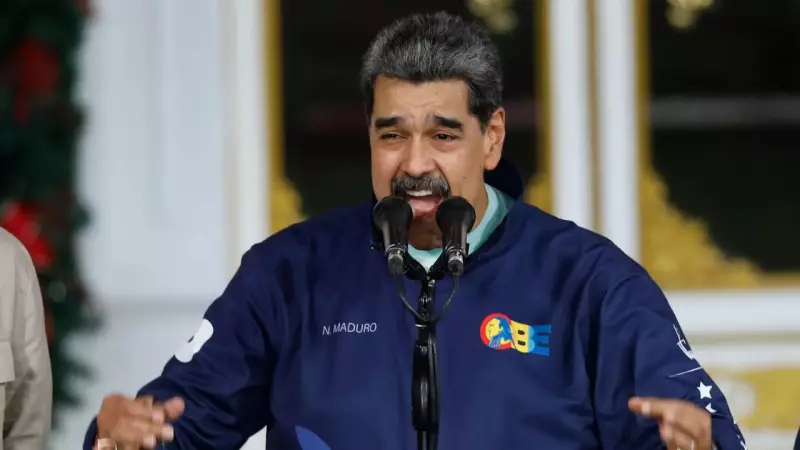
In a significant clarification, the Venezuelan government of President Nicolás Maduro announced on Tuesday that deportation flights operated by the United States will continue as per schedule. This statement comes directly after a formal request from the Trump administration to maintain the twice-weekly repatriation program.
Reversal of Stance on Deportation Flights
The latest announcement effectively reverses a weekend claim from Caracas which alleged that US immigration authorities had unilaterally suspended the flights. To bolster its point, Venezuela's foreign ministry made public an overflight and landing application. This document, filed on Monday by US-based Eastern Airlines, seeks approval for a Boeing 777-200 flight from Phoenix, Arizona, to Maiquetía International Airport near Caracas this Wednesday.
The policy shift by Maduro, who previously refused to accept deportees, has led to a steady inflow of Venezuelan nationals this year. Under pressure from Washington, his government has accepted over 13,000 people so far, framing their return as a "repatriation" from difficult conditions within US detention facilities. Charter flights operated by a US government contractor and Venezuela's state airline continue to land, with the most recent arrival recorded on Friday.

US Strategy: Flights and Strikes Against Cartels
While human rights groups have criticised the bilateral repatriation deal, Trump administration officials defend it as part of a broader strategy to dismantle transnational criminal organisations. The deportation flights operate concurrently with targeted US military strikes on vessels suspected of drug smuggling in the eastern Pacific and Caribbean waters near Venezuela.
Officials state that the dual approach of strikes and deportation flights aims to disrupt groups like the notorious Tren de Aragua, which is linked to violent crime and drug trafficking across Latin America. The Trump administration has repeatedly claimed that some of these cartels receive backing from Maduro's government.
Trump's Warning on Land-Based Strikes
The situation escalated on Tuesday when President Donald Trump suggested the US could soon initiate land-based military strikes and hinted that targets may extend beyond Venezuela. During a Cabinet meeting, Trump mentioned Colombia, stating, "You know, the land is much easier, much easier… We know where the bad ones live. And we're going to start that very soon too."
He later clarified that his remarks referred to producers of fentanyl or cocaine, asserting, "Anybody that's doing that and selling it into our country is subject to attack," and added, "Not just Venezuela." These comments emerged as lawmakers from both major US political parties called for inquiries into whether a recent follow-up strike on a suspected drug boat may have violated international law.
The continuation of deportation flights amidst threats of expanded military action underscores the complex and tense state of US-Venezuela relations, with regional security and the fight against drug trafficking at its core.