Winter Storm Fern Unleashes Triple Threat Across Eastern United States
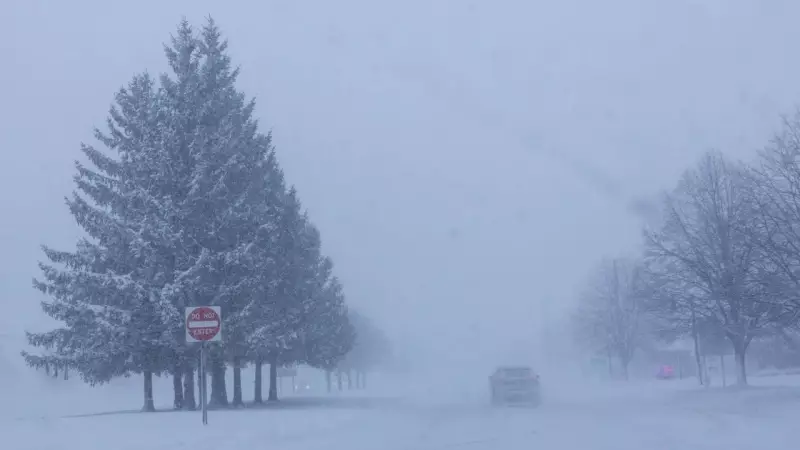
A massive and potentially catastrophic winter storm named Fern is sweeping across the United States, creating widespread disruption and danger. Forecasters are issuing urgent warnings that this storm's rare combination of crippling ice, heavy snow, and record-breaking arctic air could paralyze the eastern two-thirds of the country through Monday and beyond.
Emergency Declarations and Widespread Alerts
With more than 230 million people under various weather alerts, the situation has escalated rapidly. Governors in at least seven states, including Texas, Georgia, and Virginia, have declared states of emergency to mobilize resources and prepare for the storm's impact. Meteorologists describe Fern as a "monster" system due to its three-pronged assault on critical infrastructure, which poses significant risks to power grids, transportation networks, and public safety.
Ice, Snow, and Arctic Air: A Devastating Mix
The storm's effects are varied but uniformly severe. According to AP reports, the massive storm system is forecast to bring up to 1 inch of ice in some regions, with freezing rain expected to stretch from Texas through the Deep South and into the Mid-Atlantic. This has raised fears of "hurricane-level" damage to power lines and trees, potentially leading to prolonged outages.

To the north, a heavy band of snow is burying states from Oklahoma to New England. Major metropolitan hubs, including Washington DC, New York, and Boston, are bracing for 8 to 16 inches of snow, which is likely to bring regional travel to a total standstill. Following the precipitation, a lobe of the polar vortex is set to deliver a life-threatening "final punch" of extreme cold.
Regional Impacts and Preparations
In North Dakota and Minnesota, wind chills are predicted to plummet to levels cold enough to cause frostbite on exposed skin in less than 10 minutes, highlighting the life-threatening nature of this event. In Texas, where memories of the deadly 2021 grid failure remain fresh, Governor Greg Abbott has issued a disaster declaration for 134 counties. While Abbott assured residents that the power system has "never been stronger," utility companies like CenterPoint Energy have staged thousands of workers to respond to the localized outages expected from heavy ice accumulation.
In the Southeast, Georgia Governor Brian Kemp and Virginia Governor Abigail Spanberger have warned residents to prepare for multiple days without power. Spanberger emphasized that emergency services remain available to all, regardless of immigration status, amid ongoing federal crackdowns, ensuring that safety measures are inclusive during this crisis.
Cascading Disruptions and Public Response
The storm has already triggered a cascade of disruptions across various sectors. More than 650 flights have been cancelled through Saturday, with major hubs in Dallas, Atlanta, and Oklahoma City seeing the most significant impacts. School districts, including Chicago and Des Moines Public Schools, cancelled Friday classes, citing the "deadly" wind chills as too dangerous for students waiting for buses.
Grocery store shelves from Dallas to Louisville were reported bare of essentials like eggs, water, and bread as residents rushed to "hunker down" and stock up in anticipation of the storm's peak. The storm is expected to reach its peak intensity on Sunday as it moves into the Northeast, with officials pleading with the public to stay off the roads. They warn that even as the snow stops, the extreme cold will prevent thawing, leaving roads treacherous well into next week.
Urgent Calls for Caution
Louisiana Governor Jeff Landry summed up the gravity of the situation, stating, "I beg you, please take this seriously. This is not just a weekend flurry; this is a major infrastructure event." His words underscore the need for heightened awareness and preparedness as Winter Storm Fern continues to unfold, affecting millions of lives and testing the resilience of communities across the eastern United States.