

Air India Receives $125 Million Insurance Settlement for Ahmedabad Dreamliner Crash
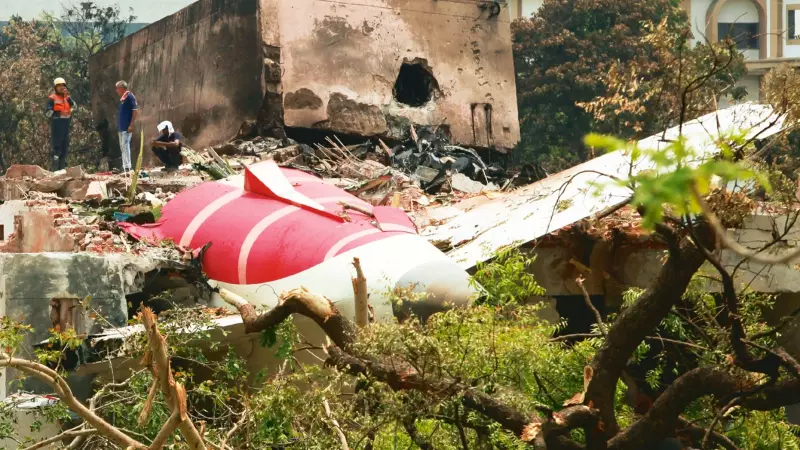
Global reinsurers and Indian general insurance companies have disbursed approximately $125 million (around Rs 1,125 crore) to Air India as compensation for the loss of hull and engines in the tragic Boeing 787 Dreamliner crash near Ahmedabad on June 12, 2025. This substantial payout marks a critical step in addressing the financial aftermath of one of India's most devastating aviation disasters.
Details of the Insurance Claim and Compensation Process
The Ahmedabad-London Gatwick flight AI-171, operated by Air India, crashed shortly after takeoff, resulting in the deaths of 260 individuals, including 241 passengers and 19 crew members. The aircraft was completely destroyed in the incident. The initial insurance claim of $125 million specifically includes $80 million for the hull and an additional $25 million for the two engines.
In addition to the hull and engine settlement, reinsurers have initiated the release of $25 million (Rs 225 crore) as interim compensation for the families of the deceased passengers. However, insurance sources indicate that this amount is likely to increase significantly as the compensation process is still incomplete and ongoing. The total claim from the crash is projected to reach up to $475 million (Rs 4,275 crore), encompassing $350 million in liability claims for the victims.

Breakdown of the Insurance Policy and Stakeholders
Air India's insurance framework involved a $20 billion hull policy and a $1.5 billion liability policy, renewed with multinational AIG as the lead reinsurer effective April 1, 2025. Approximately 95% of the policy was reinsured with major global players such as AIG, Axa, and Allianz. Among primary insurers, Tata AIG General Insurance held the largest share at over 40%, followed by state-owned New India Assurance and other public and private sector insurers.
A reinsurer involved in the Air India deal revealed, "The aircraft had recently undergone engine maintenance, with a new engine temporarily installed while the old one was serviced. That old engine will now become the property of the reinsurers, who may recover some funds by selling it." All claims related to the hull and engines have been settled, leaving passenger compensation as the primary pending issue.
Complexities in Liability Claims and Legal Proceedings
The settlement of liability claims is expected to be a prolonged process due to its complexity, involving litigation in both Indian and international courts. These claims will cover passenger deaths, crew losses, and third-party damages, including compensation for individuals affected on the ground. The liability portion is governed by international frameworks like the Montreal Convention, which permits unlimited compensation in cases of proven airline negligence.
Of the 230 passengers on board, 169 were Indian nationals, with 53 British, 7 Portuguese, and 1 Canadian among the victims. The remaining 12 individuals included two pilots and ten crew members, with only one passenger surviving the crash. Industry experts note that both the airline and the families of the deceased are generally entitled to compensation, even in instances of pilot error. Compensation amounts could potentially escalate if negligence by maintenance staff or technicians is established.
Regulatory and Jurisdictional Considerations
The exact compensation and legal proceedings vary based on jurisdiction and whether the flight was domestic or international. For domestic flights within India, compensation is regulated by the Carriage by Air Act and guidelines from the Directorate General of Civil Aviation (DGCA), ensuring compensation regardless of fault. In cases involving foreign nationals, families may file claims in multiple jurisdictions, such as the carrier's country, the ticket purchase location, or the victim's home country.

Given the presence of British, Canadian, and Portuguese nationals among the victims, legal proceedings in international courts are anticipated. Air India has not responded to inquiries regarding the compensation status, highlighting the sensitive and ongoing nature of these discussions.
This insurance payout underscores the magnitude of the Ahmedabad crash, positioning it as one of the largest claims in aviation insurance history, with significant implications for Air India and the global reinsurance industry.





