

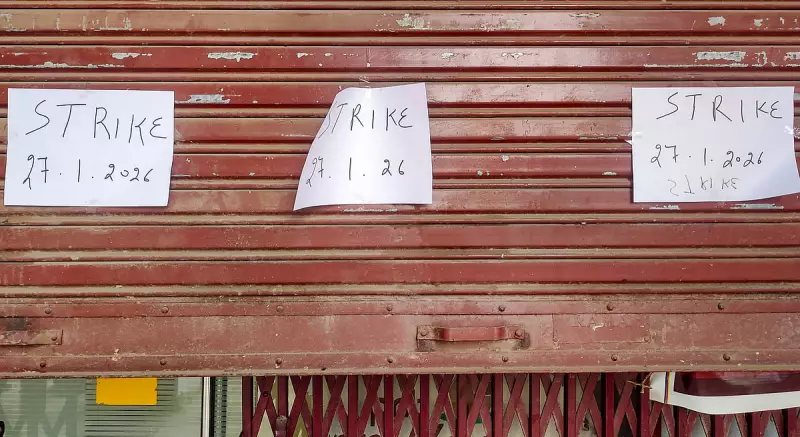
Public Sector Bank Operations in Bengaluru Severely Affected by Nationwide Strike
Banking services in Bengaluru, the capital city of Karnataka, faced significant disruptions on Wednesday as employees of public sector banks participated in a nationwide strike. The strike, called by major bank unions, led to the closure of many branches and a halt in various financial operations across the city.
Widespread Disruption in Banking Services
The strike impacted a wide range of banking activities in Bengaluru, including cash withdrawals, deposits, cheque clearances, and loan processing. Customers reported long queues and inconvenience at ATMs and branches that remained open with limited staff. The disruption was particularly felt in key business districts and residential areas, where public sector banks have a strong presence.
Essential services such as emergency banking and some digital transactions continued, but the overall efficiency was notably reduced. Bank officials stated that the strike was part of a larger protest against government policies affecting the banking sector, including privatization moves and issues related to wages and working conditions.

Reasons Behind the Nationwide Strike
The nationwide strike was organized by bank employee unions, including the All India Bank Employees' Association (AIBEA) and the Bank Employees Federation of India (BEFI). They are protesting against the central government's proposal to privatize public sector banks, which they argue could lead to job losses and reduced access to banking services in rural and semi-urban areas. Other demands include better wage revisions and improved working conditions for bank staff.
In Bengaluru, the strike saw high participation from employees of major public sector banks such as State Bank of India (SBI), Punjab National Bank (PNB), and Bank of Baroda. Union leaders in the city emphasized that the strike was necessary to draw attention to the long-standing issues faced by bank employees and to safeguard the public sector banking system.
Impact on Customers and Businesses
The strike caused considerable inconvenience to customers in Bengaluru, especially those relying on daily banking services. Small businesses and individuals needing urgent financial transactions were among the most affected. Many customers had to postpone their banking activities or seek alternatives through private banks or digital platforms, though these options were not always feasible for all.
Businesses in the city also reported delays in processing payments and accessing credit, highlighting the broader economic impact of the strike. The disruption underscored the critical role of public sector banks in Bengaluru's economy, which is a major hub for technology, startups, and traditional industries.
Response from Authorities and Future Outlook
Bank management and government authorities in Bengaluru acknowledged the disruption but urged customers to use digital banking services where possible. They assured that normal operations would resume once the strike ended. Meanwhile, union leaders indicated that if their demands are not met, further protests and strikes could be planned in the coming weeks.
The strike in Bengaluru is part of a larger pattern of labor unrest in the banking sector across India, reflecting ongoing tensions between employee unions and the government over policy changes. As the city grapples with this disruption, stakeholders are calling for dialogue to resolve the issues and prevent future service interruptions.






