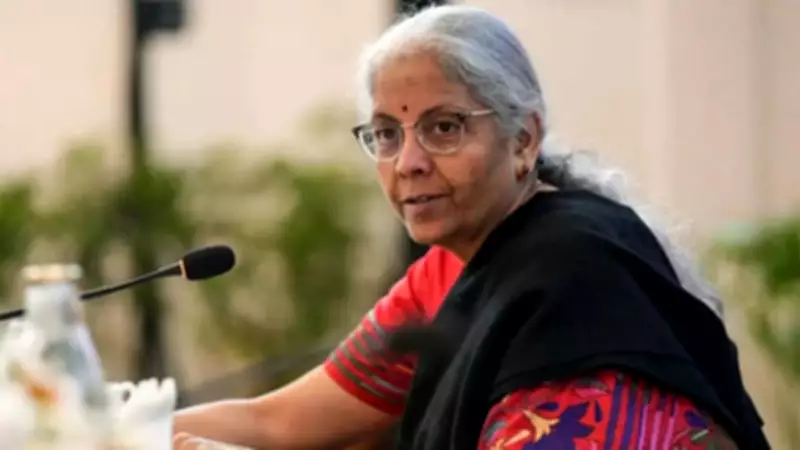
In a significant move aimed at shaping India's financial future, Finance Minister Nirmala Sitharaman presented the Union Budget 2026-27 in Parliament, marking her record ninth consecutive budget presentation. During her comprehensive 90-minute speech, she unveiled a series of strategic proposals designed to bolster the economy and drive forward the vision of a developed India, or Viksit Bharat.
High Level Committee on Banking for Viksit Bharat
One of the key announcements was the establishment of a High Level Committee on Banking for Viksit Bharat. This committee is tasked with conducting a thorough and comprehensive review of the banking sector to ensure it aligns seamlessly with India's next phase of economic growth. Sitharaman emphasized that the initiative aims to safeguard financial stability, promote inclusion, and enhance consumer protection while navigating the path forward.
The finance minister highlighted the current robust state of the Indian banking sector, noting that it is characterized by strong balance sheets, historic highs in profitability, and improved asset quality. Additionally, she pointed out that banking coverage now exceeds 98 percent of villages across the country, underscoring the sector's widespread reach and foundational strength.

"At this juncture, we are well placed to futuristically evaluate the measures needed to continue on the path of reform-led growth of this sector," Sitharaman stated, signaling a proactive approach to future-proofing the financial landscape.
Restructuring of Public Sector NBFCs
Further strengthening the financial framework, Sitharaman proposed restructuring the Power Finance Corporation and Rural Electrification Corporation as an initial step to achieve greater scale and efficiency within Public Sector Non-Banking Financial Companies (NBFCs). This move is part of a broader vision for NBFCs under the Viksit Bharat agenda, which includes clear targets for credit disbursement and technology adoption to enhance operational effectiveness.
Indirect Tax Measures and Economic Outlook
Alongside banking reforms, the budget introduced a set of indirect tax measures aimed at simplifying the tariff structure, supporting domestic manufacturing, promoting export competitiveness, and correcting duty inversion. These measures are expected to create a more conducive environment for business growth and economic resilience.
The budget presentation followed the tabling of the Economic Survey for the financial year 2025-26, a tradition that provides a data-backed review of the economy's performance and outlines future policy directions. According to the survey, India's real GDP growth for 2026-27 is projected to be in the range of 6.8 to 7.2 percent, reflecting sustained medium-term growth capacity despite a challenging global environment.
This comprehensive budget, with its focus on banking sector alignment, NBFC restructuring, and tax reforms, underscores the government's commitment to driving economic progress and achieving the ambitious goals of Viksit Bharat.