

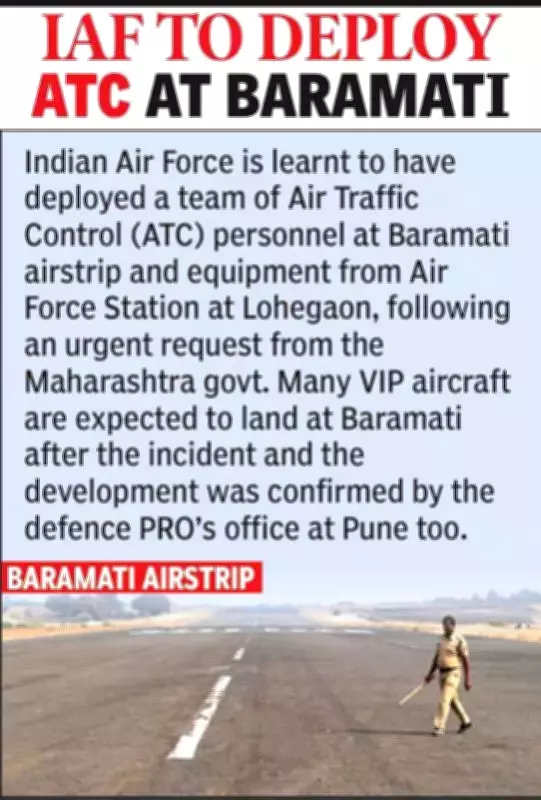
Baramati Airstrip Transition: MADC Takes Over with Airport Development Ambitions
In a significant development for Maharashtra's aviation infrastructure, the airstrip at Baramati was officially transferred to the Maharashtra Airport Development Company (MADC) in July of the previous year. This strategic move marked a pivotal shift in the management and future prospects of this aviation facility.
Ajit Pawar's Vision for Baramati Aviation Hub
Deputy Chief Minister Ajit Pawar has demonstrated keen interest in transforming the Baramati airstrip into a fully functional airport. According to sources familiar with the matter, Pawar recently conducted multiple meetings with MADC officials to meticulously develop and finalize a comprehensive blueprint for this ambitious project. His proactive involvement underscores the political and infrastructural importance attached to this development.
From MIDC to MADC: A Specialized Transition
The Baramati airstrip was previously among the various facilities managed by the Maharashtra Industrial Development Corporation (MIDC). However, recognizing the need for specialized aviation expertise, the authority was transferred to MADC, which possesses specific knowledge and experience in developing and managing aviation infrastructure. This transition represents a deliberate move toward professional aviation management.

The Reality of Uncontrolled Airstrips
Unlike full-fledged airports, airstrips like the one in Baramati typically operate without an air traffic control (ATC) tower. In such facilities, landing and take-off procedures depend entirely on pilot skill and adherence to visual flight rules (VFR). Aviation experts explain that under VFR protocols, one crucial requirement is that aircraft should not attempt landing if visibility falls below 5 kilometers.
The recent plane crash involving Ajit Pawar's aircraft has brought renewed attention to this operational reality. While the exact cause of the accident remains under investigation, aviation sources suggest that had the Baramati airstrip been equipped with a control tower, the crew might have received crucial guidance during their approach and landing procedures.
Training Operations and Communication Systems
Carver Aviation, a flight training school, operates from the Baramati airstrip, utilizing the facility for pilot training programs. These aviation institutions typically maintain their own radio communication systems to coordinate with trainee pilots during instructional flights. Sources indicate that such communication systems could potentially be employed during chartered operations as well, though this requires aircraft to properly tune into the appropriate frequencies.
The ATC Dilemma for Regional Airstrips
There exists an ongoing debate within aviation circles regarding the feasibility of installing permanent ATC facilities at airstrips like Baramati. The primary consideration revolves around operational patterns – with no scheduled commercial flights and only irregular chartered operations, some question the justification for full-time air traffic control services.
However, sources note that given Ajit Pawar's frequent use of the facility and his political influence, the Baramati airstrip was anticipated to experience regular aviation activity. While there are no regulatory prohibitions against establishing ATC towers at such facilities, current regulations permit airstrips to operate without them, creating what aviation professionals term "uncontrolled airstrips."
Maharashtra's Network of Uncontrolled Airstrips
The Baramati facility represents just one example of uncontrolled airstrips operating across Maharashtra. Similar aviation facilities exist in Akola, Yavatmal, Latur, Karad, and Osmanabad, all functioning under the same operational framework where pilots rely on VFR manuals during flight operations. This network of regional airstrips plays a crucial role in connecting smaller cities and towns while presenting unique challenges for aviation safety and infrastructure development.

The transition of Baramati airstrip to MADC management, coupled with Ajit Pawar's development ambitions, highlights the evolving landscape of regional aviation infrastructure in Maharashtra. As investigations continue into the recent plane crash, questions regarding safety protocols, infrastructure upgrades, and the balance between development aspirations and operational realities remain at the forefront of aviation discussions in the state.





