NEW DELHI: A comprehensive anti-corruption legislation currently under parliamentary scrutiny has sparked significant concerns among prominent legal institutions in India. Representatives from the Vidhi Centre for Legal Policy, National Law University (NLU) Odisha, and the National University of Juridical Sciences (NUJS) Kolkata have raised serious objections before a joint parliamentary committee examining the Constitution (130th Amendment) Bill.
Key Concerns Raised by Legal Experts
The legal experts have highlighted multiple critical issues with the proposed legislation, particularly focusing on provisions that would mandate the automatic removal of a Prime Minister, Chief Minister, or minister following thirty days of arrest on serious criminal charges. According to sources familiar with the proceedings, these provisions carry substantial risks of political manipulation and potential constitutional violations.
Risk of Political Misuse and Destabilization
The Vidhi Centre for Legal Policy explicitly warned that "the framework creates scope for political misuse" and that "arrests may be timed or selectively pursued" to achieve political objectives. This concern was echoed by NLU Odisha, which noted that opposing political parties could potentially use these provisions to destabilize legitimate governments.

NUJS Kolkata presented an even more alarming assessment, stating that while the legislation intends to curb criminality within politics, it carries a "high probability" of severely destabilizing both Union and state cabinets. The university further cautioned that this could lead to significant policy paralysis at both central and state government levels.
Concerns About Overriding Popular Will
Perhaps the most fundamental concern raised by the legal institutions relates to the potential override of democratic processes. NLU Odisha emphasized that "automatic removal of a PM or CM overrides the choice of the majority party and the voters," effectively subverting the will of the electorate.
The trend observed over recent decades suggests a genuine possibility of such misuse, which could ultimately have a negative impact on India's democratic foundations, according to the legal experts' submissions.
Proposed Alternatives and Procedural Issues
Judicial Scrutiny Recommendations
Two of the institutions suggested that the threshold for removal should be raised to the "framing of charges" stage rather than mere arrest. This approach would introduce a crucial element of judicial scrutiny into the process, ensuring that removal decisions are not based solely on investigative actions but rather on judicial determinations.
The representatives pointed out that the global consensus in established democracies typically requires judicial conviction for the removal of ministers from office. The proposed legislation, with its lower threshold, represents a significant departure from this international standard.
Procedural Inconsistencies Identified
Experts also highlighted procedural inconsistencies within the bill. Existing criminal provisions allow police to seek custody of an accused for up to ninety days in serious offences, making the proposed thirty-day removal threshold incongruent with current legal procedures.
Additionally, while the bill seeks removal from office for arrests in offences carrying punishments of five years or more, the legal experts noted that several serious crimes, including certain corruption offences, may carry penalties of less than five years, creating potential loopholes in the legislation's application.
Potential for Retaliatory Actions
NLU Odisha raised a particularly concerning scenario, suggesting that the bill could incentivize retaliatory actions between central and state governments. The institution noted that state police could potentially act against a visiting Union minister after central agencies take action against a chief minister or state minister, effectively turning investigations into "potential regime change operations."

Government's Position and Political Context
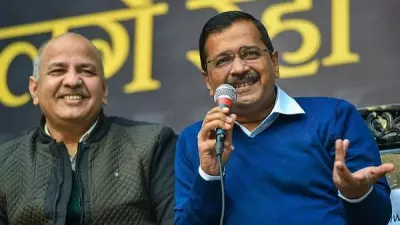
The government has defended the legislation by citing specific instances where ministers, including Delhi Chief Minister Arvind Kejriwal, have continued in office despite facing extended periods of incarceration on corruption charges. However, acknowledging the complexity of the issues involved, the government has agreed to send the bill to the parliamentary panel for wider consultations.
The parliamentary committee, headed by BJP MP Aparajita Sarangi, is conducting these consultations, though most opposition parties have reportedly refused to participate in the panel's proceedings, adding another layer of complexity to the legislative process.
Constitutional Challenges Ahead
The Vidhi Centre for Legal Policy specifically cautioned that certain provisions within the bill may invite constitutional challenges, suggesting that the legislation could face significant legal hurdles even if passed by Parliament. While acknowledging that the purported intent behind the bill is laudable and largely complies with constitutional doctrine, the legal experts emphasized that the implementation mechanisms require substantial reconsideration to avoid unintended consequences for India's democratic framework.