

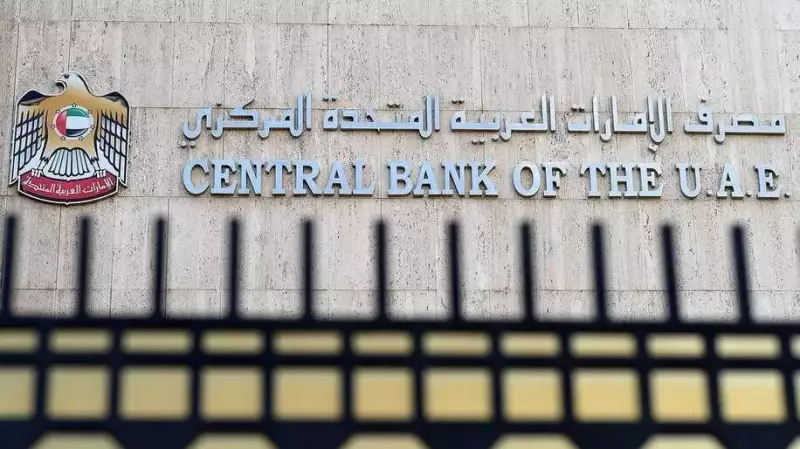
The Central Bank of the United Arab Emirates (CBUAE) has taken a strict enforcement action against Omda Exchange, a foreign exchange firm, by cancelling its operating licence and removing it from the official register of licensed financial entities.
Major Penalty for Regulatory Breaches
Alongside the licence revocation, the regulator has imposed a substantial financial penalty of Dh10 million on the exchange house. This decisive move follows comprehensive supervisory examinations conducted by the CBUAE, which uncovered that Omda Exchange had committed multiple breaches of UAE banking laws and regulations.
The action was executed under the authority granted by the Decretal Federal Law on the Central Bank and the Organisation of Financial Institutions and Activities. This law empowers the CBUAE to regulate, supervise, and enforce compliance across all financial institutions operating within the country's borders.

Why Omda Exchange Lost Its Licence
While the Central Bank has not publicly disclosed the exhaustive details of every single violation, official statements confirm that Omda Exchange failed to comply with core legal and regulatory requirements. This enforcement aligns with a broader, ongoing pattern of strict action by the CBUAE against exchange houses that do not meet stringent Anti-Money Laundering (AML) and other compliance standards.
The revocation underscores the central bank's unwavering mandate to ensure that all financial service providers strictly adhere to their legal obligations and maintain robust internal controls. This is critical for safeguarding the integrity and security of the UAE's entire financial ecosystem.
What This Means for Residents and the Financial System
For the average resident or expatriate using exchange houses to send money home, such regulatory crackdowns are ultimately positive. When the CBUAE actively monitors and prunes the market of non-compliant players, it directly enhances the safety of every dirham handed over at a counter.
The rigorous enforcement of these rules is designed to:
- Prevent financial scams, fraud, and the misuse of platforms.
- Reduce risks for individuals' hard-earned money.
- Boost public confidence in the remaining licensed and compliant exchange houses.
By maintaining this high-standard, transparent environment, the UAE reinforces its position as a globally respected financial hub. This stability helps keep exchange rates competitive and ensures smooth operations with international banking partners.
This action against Omda Exchange is not an isolated incident. It is part of a sustained trend where the CBUAE has levied fines ranging from Dh2 million to over Dh100 million on various financial entities in recent months. This consistent oversight reflects the UAE's commitment to aligning with international standards set by bodies like the Financial Action Task Force (FATF).
The Central Bank has affirmed its continued vigilance, stating it will ensure all exchange houses, their owners, and staff abide by UAE laws. This strategy focuses not just on punishment but on prevention, aiming to keep the UAE's financial system one of the most stable and secure in the world for everyone.






