

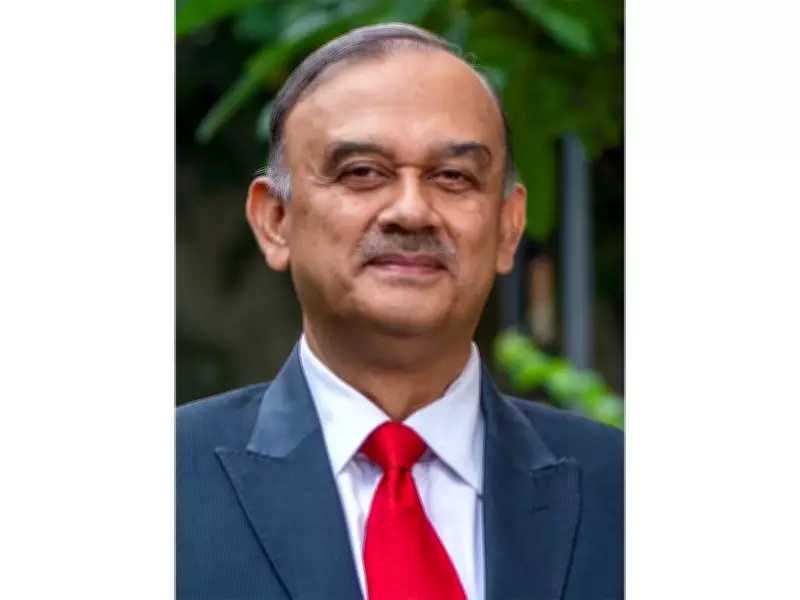
Atanu Chakraborty Dismisses HDFC Bank Resignation as Routine Matter
In his first public remarks since stepping down, Atanu Chakraborty, the former Non-Executive Chairman of HDFC Bank, has characterized his resignation as a routine development, offering no further details on the circumstances of his departure.
Chakraborty's Brief Statement on Exit
Speaking to ANI, Chakraborty stated, "That's (resignation) on the exchange website. Nothing worth discussion. It's quite routine," indicating that the information is publicly available through official channels and does not warrant additional commentary.
Chakraborty, who previously served as Secretary of the Department of Economic Affairs in the Finance Ministry, had been overseeing HDFC Bank, one of India's leading private sector financial institutions, in his non-executive capacity.

RBI Reaffirms HDFC Bank's Robust Position
Amid these developments, the Reserve Bank of India (RBI) moved to reassure stakeholders on Thursday, asserting that HDFC Bank remains financially sound and well-governed. The central bank acknowledged it has "taken note of the recent developments" and approved a transition arrangement for the Part-Time Chairman role, as requested by the bank.
This clarification follows Chakraborty's resignation, which he earlier described to ANI as "quite routine" and "nothing worth discussion."
Key Points from RBI's Assurance
- Financial Health: The RBI emphasized that HDFC Bank, classified as a Domestic Systemically Important Bank (D-SIB), continues to exhibit "sound financials, a professionally run board and a competent management team."
- Governance Standards: Based on periodic assessments, the RBI noted "there are no material concerns on record as regards its conduct or governance."
- Capital and Liquidity: The bank is described as "well-capitalized" with a "satisfactory financial position and sufficient liquidity."
The RBI further stated it will maintain ongoing engagement with HDFC Bank's board and management to ensure a smooth path forward, highlighting close regulatory oversight while expressing confidence in the institution's stability.






