

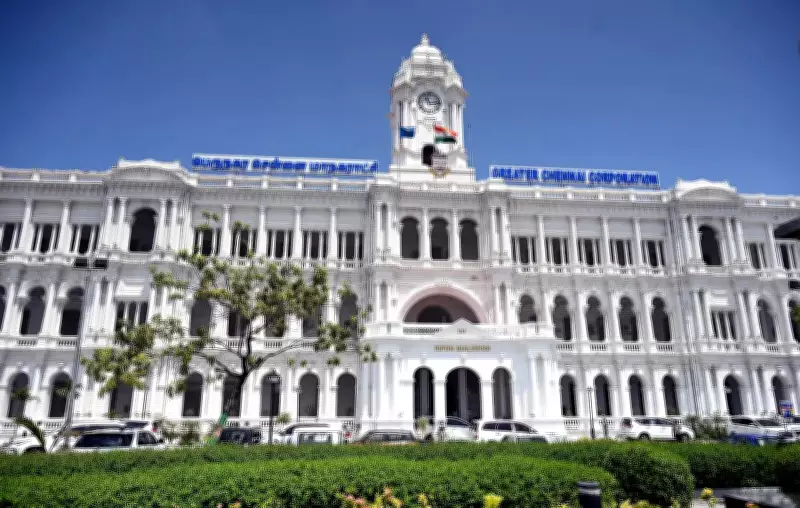
The Greater Chennai Corporation (GCC) has approached the Central Registry of Securitisation Asset Reconstruction and Security Interest of India (CERSAI) to address the issue of pending property tax dues. In the last financial year, the corporation managed to collect only 80% of the total property tax demand. To improve recovery, GCC has requested CERSAI to direct banks and financial institutions to consider outstanding property tax while recovering loans from borrowers.
Proposal to Link Tax Default with CIBIL
In addition, the civic body has urged CERSAI to connect property tax defaults with the CIBIL credit score system. This would encourage banks to deduct the tax amount directly from borrowers. GCC Commissioner G S Sameeran highlighted that nearly 90 major defaulters owe a total of ₹27.3 crores. He stated, "We want a direction to banks to get the money through loan recovery. The property tax component does not come under loan liability. It requires an amendment to the rules. But if such a direction is given, GCC will get the money recovered."
Record Collection and Enforcement Actions
Against a total demand of ₹2,564 crore, GCC collected a record ₹2,043 crore during the year. To boost recovery, the corporation published an online list of 90 major defaulters with unpaid second-half dues of ₹27.31 crore. Of these, GCC has collected tax from 17 defaulters, locked the doors of 28 properties, and seized 11 assets. Commissioner Sameeran noted that a property worth ₹70 crore was recently sealed for non-payment of dues. He added, "We also do not have any interference or localized pressure to not act on any of the building deviations and violations. This is helping the officials to fast-track lock-and-seal action."

These measures are part of GCC's ongoing efforts to enhance tax compliance and ensure timely collection of dues.






