

A palpable sense of FOMO (Fear Of Missing Out) has firmly gripped the investment community following the extraordinary rally witnessed in precious metals throughout the past year. The staggering ascent has seen silver prices skyrocket by over 200% in the last twelve months, while gold has mounted an impressive rally of nearly 95%. This rapid and linear appreciation has propelled both metals to historically elevated price levels, rendering direct exposure increasingly cost-prohibitive for a significant segment of retail and small-scale investors.
Sustainability Concerns and the Search for Alternatives
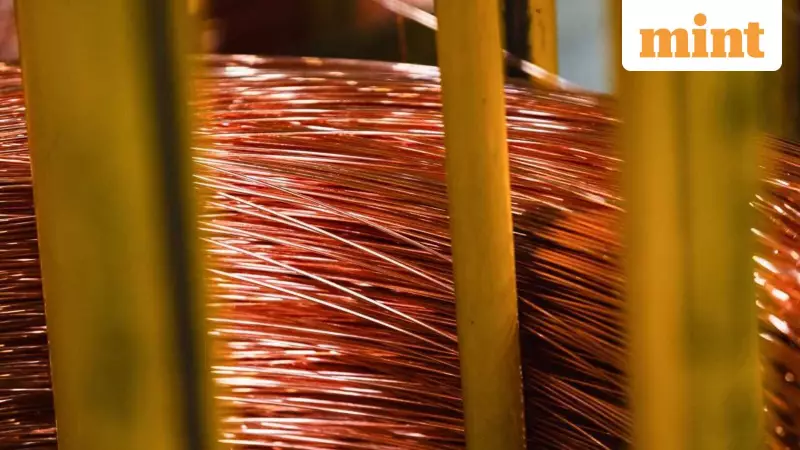
Amidst this backdrop, investors are now actively questioning the longevity and sustainability of the gold and silver rally. The steep, uninterrupted climb in rates has prompted a strategic pivot, with market participants increasingly scouting for alternative metals to place their bets on. According to leading market analysts, copper is emerging as a particularly compelling and worthy candidate in this new investment landscape.
For those investors who missed the sharp initial surge in gold and silver, copper is increasingly being viewed not merely as a catch-up trade, but as the next major macro-linked opportunity, experts highlight. Heena Naik, Research Analyst for Commodities at Angel One, has notably referred to copper as “the next gold” and suggests that the metal is likely to continue its bull market regime well into 2026.

Unpacking the Copper Price Surge
Domestically, copper prices have already surged by approximately 50% in the spot market over the last year. This significant uptick is largely attributed to two primary factors: disruptive tariffs unleashed by the United States and major, unexpected mine outages.
In July 2025, the US administration announced universal 50% tariffs on imports covering 51 distinct types of semi-finished copper products, though raw copper materials were exempted. Analysts, including Naik, point to expectations of further policy moves. Goldman Sachs Research’s base case anticipates a potential 15% tariff on refined copper by mid-2026. This looming threat has already spurred proactive stockpiling of copper within the US, creating anticipatory scarcity and supply tightness in markets outside American borders.
This dynamic has led to a diversion of London Metal Exchange (LME) stocks toward the US market, subsequently depleting inventories in key regions like China, Russia, and European LME warehouses. “This temporary scarcity outside of the US is leaving everyone else short of metal, causing a huge arbitrage gap,” Naik elaborated.
Compounding these tariff-related pressures, the year 2025 witnessed three major mine outages that significantly fueled copper's bull run. A chronic backdrop of years of underinvestment in mining capacity, coupled with declining ore grades in major producing nations like Chile and Peru, and persistent project delays, has further tightened the global copper market. These factors have collectively kept exchange inventories hovering near multi-year lows.
Specific supply disruptions are expected to persist. For instance, the Grassberg Block Cave mine section, accounting for a substantial 70% of previously forecasted production, is projected to remain shuttered until the second quarter of 2026. Concurrently, production in Chile and Peru continues to face headwinds from labour disputes and social protests, exacerbating the overall supply shortage.
“Adding to supply woes, declining ore grades and years of underinvestment have limited miners' ability to meet growing demand quickly,” noted an Angel One analyst. The stress is also evident in the concentrate market, where smelters are fiercely competing for the raw copper material needed for refining. Despite these challenges, the overarching risk of further copper tariffs remains a pivotal factor likely to influence price trajectories in 2026.

Surging Demand: The Electrification Megatrend
On the demand side, copper continues to experience a powerful boom, positioned as a direct beneficiary of global megatrends. Its fundamentals are tightly linked to worldwide electrification efforts, the clean energy transition, and expansive infrastructure spending. Naik emphasized that the supply disruption issues are likely to persist at least until mid-2026, which will continue to exert upward pressure on copper prices.
Is Copper a Strategic Bet for Investors?
Market experts are increasingly framing copper not as a fleeting, speculative trade but as a strategic long-term allocation. Harshal Dasani, Business Head at INVasset PMS, highlighted the structural shift in demand. “With EV penetration rising, grid expansion accelerating, and renewable capacity additions scaling up, copper demand growth is now structurally higher than it was in the last cycle,” he stated. He believes that while copper prices have already advanced meaningfully, the current cycle does not yet appear overextended or stretched.
Echoing this strategic viewpoint, Ross Maxwell, Global Strategy Operations Lead at VT Markets, observed that for investors who missed the precious metals rally, copper is increasingly viewed as a strategic opportunity rather than a speculative chase. He noted that in an environment defined by robust demand and constricted supply, even incremental new demand can trigger a disproportionate and accelerated rise in prices.
“It is important to note that copper is less driven by macro uncertainty and more about industrial demand, making it complementary to gold and silver rather than a direct replacement,” Maxwell clarified, underscoring its unique role in a diversified portfolio. Over the medium term, he projected that a sustained global electrification cycle could support copper prices moving 25–40% above their historical averages.
Price Targets and Caveats
Providing a specific near-term outlook, Heena Naik cited factors like US economic growth, AI-related infrastructure spending, and continued stockpiling as drivers for a speculative peak in copper prices. She opined that MCX Copper February Futures could surge towards ₹1365 per kilogram in the near-term, with a potential breakout pushing the metal towards ₹1410 per kg. As of January 28, MCX copper futures were trading 1% higher at ₹1328.95 per kg.
However, analysts also caution investors about potential downside risks. Naik pointed to the recent Critical Minerals Section 232 decision, suggesting the US administration may be exploring tools beyond tariffs to secure metal supplies. “This means that if tariff threats fade and trade routes normalise, excess inventories could quickly hit the market, causing speculative trades to unwind. In such an instance, copper prices could fall just as fast as they have risen,” she warned, highlighting the market's volatility and sensitivity to policy shifts.
Disclaimer: This analysis is for educational purposes only. The views and recommendations expressed are those of individual analysts or broking firms. Investors are strongly advised to consult with certified financial experts before making any investment decisions.





