On Doctors' Day 2026, medical experts across India have shared practical, evidence-based advice to help individuals adopt healthier lifestyles, prioritize preventive care, and recognize early warning signs of disease. The following tips from specialists in urology, nephrology, pediatrics, neurology, dermatology, dentistry, and healthcare management offer actionable guidance for improving overall well-being.
Urology: Prevention and Early Detection
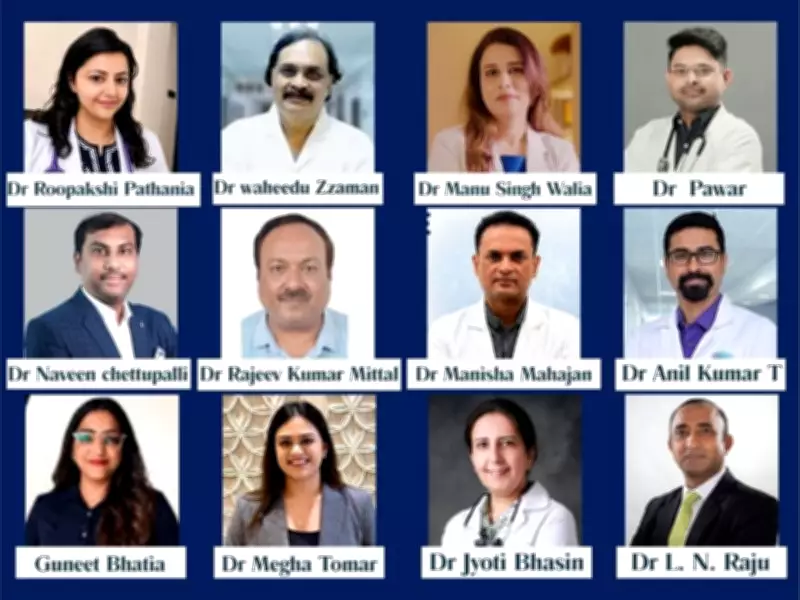
Dr. Waheedu Zzaman, Senior Director of Urology, Uro-Oncology, Robotic Urology & Renal Transplant at Max Super Speciality Hospital, New Delhi, emphasizes that many urological conditions such as kidney stones, urinary tract infections, prostate enlargement, and bladder issues can be prevented or detected early through simple lifestyle habits. He recommends staying well-hydrated, maintaining a balanced diet low in salt and processed foods, exercising regularly, and avoiding smoking. Early symptoms like changes in urine flow, pain during urination, blood in the urine, or frequent nighttime urination should not be ignored.
Dr. L. N. Raju, Chief Consultant Urologist & Transplant Surgeon in Bangalore, adds that symptoms such as burning during urination, blood in the urine, frequent urination, difficulty passing urine, persistent lower back pain, or leg swelling may indicate kidney, bladder, or prostate disorders. He stresses early diagnosis improves treatment outcomes and advises men above 50 to undergo regular prostate evaluations, while those with a family history of kidney disease should opt for periodic screenings.

Nephrology: Protecting Kidney Health
Dr. Manish Mahajan, Senior Consultant Nephrologist & Transplant Physician at SSB Heart & Multispeciality Hospital, Faridabad, highlights that prevention is better than cure. He recommends a balanced diet rich in fruits, vegetables, whole grains, and lean proteins, combined with at least 30 minutes of exercise most days. Adequate sleep, proper hydration, and stress management through yoga or meditation are also crucial. Regular health check-ups to monitor blood pressure, blood sugar, cholesterol, and kidney function enable early detection and treatment.
Dr. Sridatta G. Pawar, Consultant Nephrologist & Renal Transplant Physician at SS Narayana Super Speciality Centre, Davangere, notes that kidney disease often develops without early symptoms. People with diabetes, high blood pressure, obesity, or a family history of kidney disease should undergo regular screenings with simple blood and urine tests. He advises staying well hydrated, eating a balanced diet with appropriate salt intake, exercising regularly, maintaining a healthy weight, avoiding tobacco, and using painkillers only when medically advised.
Pediatrics: Managing Screen Time for Children
Dr. Rajeev Kumar Mittal, Consultant Pediatrician at Sanjivani Medical Center, Meerut, warns that excessive screen use adversely affects children's physical, mental, and social development. According to the Indian Academy of Pediatrics (IAP) and the World Health Organization (WHO), recommended screen time limits are: under 2 years – no screen time except video calls; 2-5 years – maximum 1 hour per day; 5-10 years – less than 2 hours of recreational screen time daily. He encourages outdoor play and physical activities to counterbalance digital exposure.
Neurology: Recognizing Early Warning Signs
Dr. Roopakshi Pathania, Senior Consultant Neurologist at VMI Hospital, Palampur, Himachal Pradesh, emphasizes that neurological disorder risk increases after age 40. She lists seven critical warning signs: sudden weakness or numbness on one side of the body; persistent severe headaches; difficulty speaking or understanding speech; dizziness or loss of balance; memory loss or behavioral changes; vision problems; and seizures or fainting. People with high blood pressure, diabetes, high cholesterol, smoking history, or family history of stroke should be especially vigilant. Regular check-ups and maintaining healthy blood pressure, blood sugar, and cholesterol levels reduce risk.

Dermatology: Healthy Skin Habits
Dr. Manu Singh Walia, MD Dermatologist at The Derma House, Mumbai, states that healthy skin reflects overall health. Key habits include prioritizing 7-8 hours of quality sleep, eating a balanced protein-rich diet with fruits and vegetables, wearing sunscreen daily regardless of weather, staying physically active, managing stress, and avoiding skincare trends without professional guidance. She emphasizes that consistency and science-backed treatments matter more than expensive products.
Dentistry: Oral Health and Overall Well-being
Dr. Jyoti C. Bhasin of Tooth & Gum Dental Clinic, Agra & New Delhi, highlights that oral health is closely connected to overall well-being. She recommends brushing twice daily with fluoride toothpaste, cleaning between teeth daily, maintaining a balanced diet, staying hydrated, limiting sugary foods and acidic drinks, and having regular preventive dental check-ups. Symptoms like teeth grinding, jaw discomfort, persistent tooth sensitivity, or frequent headaches warrant professional evaluation.
Healthcare Management and Preventive Care
Dr. Naveen Chettupalli, President of Sravani Hospitals, Hyderabad, underscores that healthcare is about building trust and improving lives. He emphasizes clinical excellence complemented by empathy, innovation, and continuous learning. Guneet Bhatia, Founder of HOSPIDIO, advises building a long-term relationship with your doctor rather than a transactional one, as follow-up care and continuity improve outcomes.
Dr. Megha Tomar, Founder & CEO of My Checkup, notes that preventive healthcare reduces disease burden. Regular health screenings detect conditions like diabetes, hypertension, and heart disease early. She encourages routine check-ups and embracing preventive care as a way of life. Dr. Anil Kumar T, Consultant Urologist in Bengaluru, adds that early diagnosis enables simpler treatment and better outcomes, and advancements like robotic-assisted surgery offer greater precision.
This Doctors' Day, experts unanimously agree that small, consistent lifestyle changes—adequate hydration, balanced diet, regular exercise, stress management, and timely medical consultations—are the foundation of a healthier tomorrow.