Fastag Annual Pass Price Hike: NHAI Announces New Rates and Recharge Details
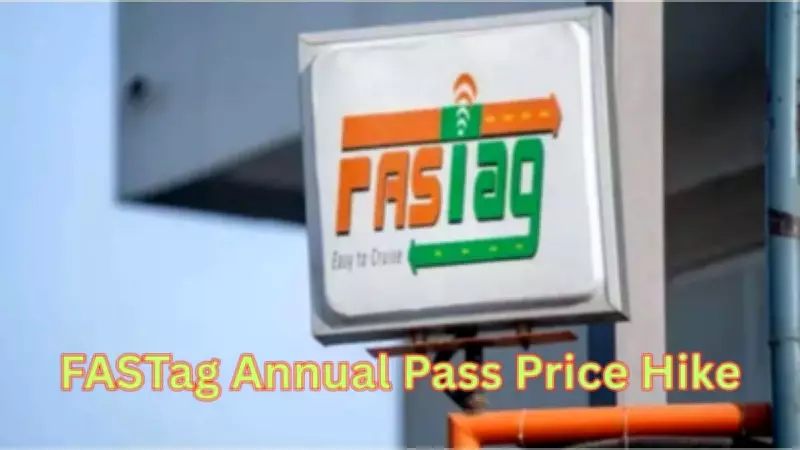
The National Highways Authority of India (NHAI) has officially announced a significant price hike for Fastag annual passes, set to take effect from the year 2026. This move marks a notable adjustment in the toll payment system for non-commercial vehicles across India's extensive highway network.
New Pricing Structure and Recharge Requirements
Under the revised policy, the cost of Fastag annual passes will see a substantial increase, impacting millions of vehicle owners who rely on these passes for seamless travel on national highways. The NHAI has detailed the new recharge procedures, emphasizing that users must update their Fastag accounts accordingly to avoid disruptions in service. Vehicle owners are advised to check the official NHAI portal or authorized banks for the exact revised rates and step-by-step recharge guidelines.
Exclusions for Non-Commercial Vehicles on Specific Expressways
In a critical update, the NHAI has clarified that the Fastag annual pass will not be valid on certain expressways for non-commercial vehicles. This exclusion applies to high-speed corridors where separate tolling mechanisms or higher fees are in place. The affected expressways include:

- Delhi-Mumbai Expressway
- Bengaluru-Chennai Expressway
- Other newly developed expressways with dynamic toll pricing
This measure aims to streamline revenue collection and ensure fair usage based on vehicle type and route.
Impact on Commuters and Future Implications
The price hike is expected to influence travel costs for daily commuters and long-distance travelers alike. Analysts suggest that this adjustment could lead to increased reliance on alternative payment methods or shifts in travel patterns. The NHAI assures that the changes are designed to enhance infrastructure funding and maintain highway quality, with potential benefits including reduced congestion and improved safety features.
As the 2026 implementation date approaches, stakeholders are urged to stay informed through official channels to adapt smoothly to the new Fastag regulations.