

Gold Demand Set for Decline in 2026 as Jewelry Slump Outweighs Investment Surge
Industry forecasts indicate a notable downturn in global gold demand for the year 2026, driven primarily by a sharp contraction in jewelry consumption that is expected to overshadow concurrent gains in investment activity. This trend highlights a complex market dynamic where consumer behavior and economic factors are reshaping the precious metals landscape.
Jewelry Sector Faces Significant Challenges
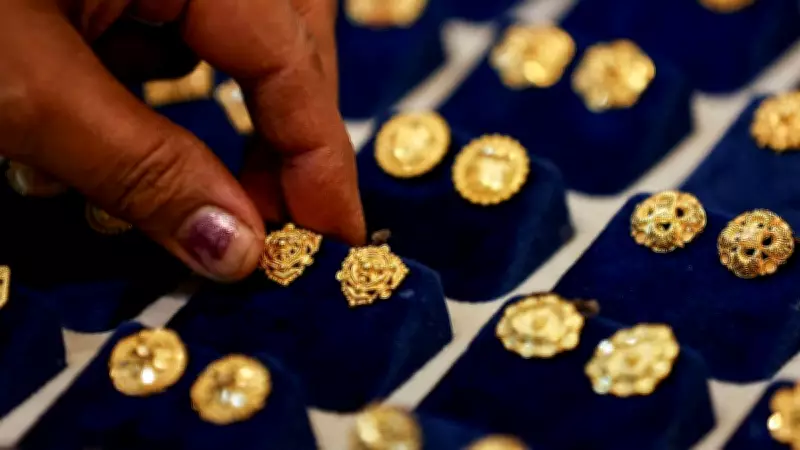
The jewelry segment, traditionally a cornerstone of gold demand, is experiencing a pronounced slump. According to market analysts, jewelry buyers typically prefer stable and predictable gold prices to make informed purchasing decisions. However, the recent months have witnessed volatile and steeply rising gold prices, which have far outstripped the budgets of many consumers. This price volatility has created a barrier to entry, discouraging potential buyers and leading to reduced sales volumes in the jewelry market.
Experts point out that the affordability gap has widened as gold prices surge, making it difficult for average consumers to justify significant expenditures on gold jewelry. This shift is particularly evident in key markets where gold jewelry is a cultural staple, yet economic pressures are forcing a reevaluation of spending priorities.

Investment Activity Shows Contrasting Growth
In contrast to the jewelry sector, investment in gold is on the rise. Investors are increasingly turning to gold as a safe-haven asset amid economic uncertainties and market fluctuations. This surge in investment demand is fueled by factors such as geopolitical tensions, inflation concerns, and the search for portfolio diversification. Gold exchange-traded funds (ETFs), bars, and coins have seen heightened interest, reflecting a strategic move by investors to hedge against potential risks.
Despite this positive trend in investment, the overall gold demand for 2026 is projected to fall because the decline in jewelry consumption is more substantial. The jewelry market's slump is not only volume-driven but also value-based, as higher prices do not necessarily translate to increased revenue due to reduced unit sales.
Market Implications and Future Outlook
The anticipated decline in gold demand for 2026 underscores a shifting balance within the precious metals industry. While investment avenues continue to attract capital, the jewelry sector's struggles highlight broader economic challenges, including consumer spending constraints and price sensitivity. Market observers suggest that for gold demand to stabilize or grow, a combination of price moderation and economic recovery will be essential to revive jewelry purchases.
Looking ahead, stakeholders in the gold market, from miners to retailers, may need to adapt strategies to navigate this dual-track environment. Emphasizing value propositions in jewelry and leveraging investment products could help mitigate the impact of the projected demand fall. As the situation evolves, continuous monitoring of price trends and consumer behavior will be crucial for accurate forecasting and responsive market actions.






