A recent study by the Institute for Human Development (IHD) in collaboration with the Crafts Council of India has highlighted significant challenges in the handicrafts and handloom (HH) sector. Despite employing one in every four workers in manufacturing, the sector is plagued by low productivity, occupational hazards, lack of formalisation, and limited market access, including e-commerce and exports.
Low Gross Value Added Per Worker
The study, released on Monday, estimated that the gross value added (GVA) per worker in the HH sector is approximately Rs 270 per day, which is lower than the government-prescribed minimum wage. The sector employs nearly 1.1 crore people across 65 lakh establishments as of 2024. Professor GC Manna of IHD noted that most establishments are run by a single person, making their value added equivalent to their earnings, which is a paltry amount.
Survey Findings Across Five States
The primary survey was conducted in five states: Assam, Rajasthan, Tamil Nadu, Uttar Pradesh, and West Bengal, based on HH units enumerated in the sixth economic census by the National Statistical Office (NSO) in 2013. The HH establishments in these states collectively contributed Rs 51,445 crore in annual GVA. The average annual GVA per worker across the five states was about Rs 84,000, which falls well below the prescribed daily minimum wage.

Proprietary Nature and Lack of Formalisation
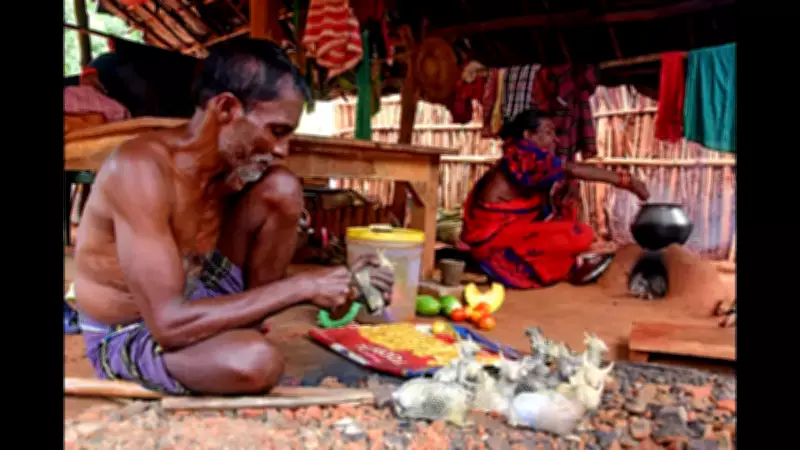
The study found that a majority of HH establishments operate from household premises, and only 2.6% of establishments across the country employ more than five workers. This indicates the proprietary nature of these units, with more women proprietors than men. In Rajasthan, women proprietors account for 94% of such establishments. A significant proportion of handloom establishments remain unregistered under any formal scheme or programme, and very few maintain accounts. The overall proportion of formally trained artisans and weavers remains low.
Decline in Production and Market Challenges
Half of the handloom units in Tamil Nadu (66%), Uttar Pradesh (51%), Assam (50%), and West Bengal (48%) reported a decline or stagnation in production scale over the past decade. In Rajasthan, the share stood at 30%. Major problems faced by these establishments include competition from mass production and copying, lack of skilled workers, and space constraints.
Minimal Use of Exhibitions and E-commerce
Contrary to popular belief, the use of exhibitions and fairs is minimal. No use of e-commerce or contracts with khadi authorities, export agencies, or private companies was reported. Less than 1% of units in Tamil Nadu, Uttar Pradesh, and West Bengal reported selling their products through organised fairs and exhibitions.