

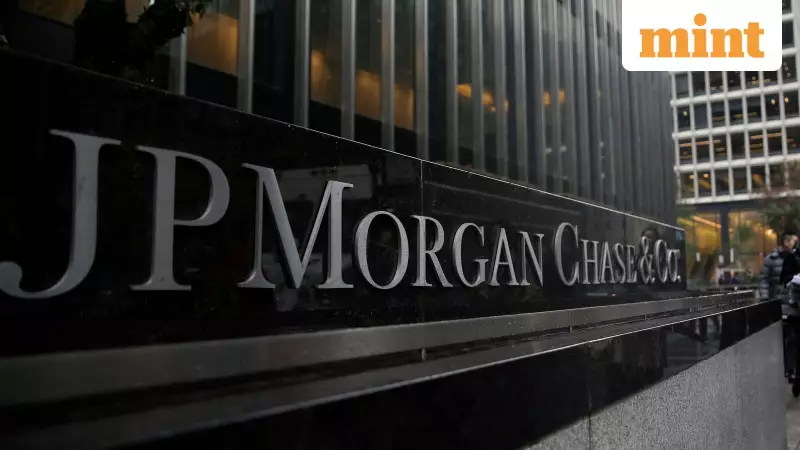
Investors are currently selling shares of major U.S. banks following recent earnings reports. This sell-off comes even as the banks confirmed that 2025 was a strong year financially. The four megabanks that reported results by Wednesday have seen their stock prices drop by nearly seven percent on average this week.
The Current Market Situation
This pattern resembles what market analysts often call a "buy the rumor, sell the news" scenario. Investors enthusiastically purchased shares of these global banking giants throughout last year. Now that the banks have officially announced their positive fourth-quarter results, many shareholders are taking profits.
All six major U.S. banks outperformed the S&P 500 index in 2025. This strong performance pushed their valuations to elevated levels. According to recent FactSet data, the average price-to-book ratio for Bank of America, Citigroup, JPMorgan Chase, and Wells Fargo approached 1.8 times earlier this month. This valuation level hasn't been seen in almost two decades.

Political and Economic Uncertainties
Several uncertainties are contributing to investor caution. Washington has introduced some potential challenges for lenders early this year. President Trump's pledge to cap credit-card rates remains a question mark. The Federal Reserve might cut interest rates more aggressively than expected, which could reduce banks' interest income growth. Geopolitical tensions could also hinder the recovery in corporate dealmaking activity.
Without clear answers to these questions, many investors view this as an appropriate time to secure profits after a year of substantial gains. The unpredictable political environment certainly presents risks for banking institutions.
Reasons for Optimism
Despite these concerns, several factors suggest continued strength for megabanks. The Trump administration appears committed to stimulating economic growth and investment activity. This "run it hot" approach should keep banks operating strongly throughout 2026.
Banks are demonstrating solid loan growth numbers, particularly in lending to non-bank financial institutions. Trading activity continues to expand, partly through increased client financing. Lower interest rates, deregulation, and other policy measures could further boost this activity. These policies encourage investments in areas like data centers and energy infrastructure, which drive financing demand.
Regulatory and Market Factors
Bank regulation is moving toward a lighter approach regarding capital requirements. This shift would allow banks to allocate more resources toward loans and financing activities. Since these arrangements often involve collateral, they don't increase banks' risk weightings as much as traditional unsecured business loans.
So far, significant "cockroach" losses from fraud or unexpected events haven't emerged to disrupt this growth. Additionally, if long-term bond yields rise in response to Federal Reserve actions or fiscal stimulus, banks could offset the impact of lower short-term rates on interest income.
Lower short-term funding rates reduce banks' deposit costs. Higher bond yields enable banks to reinvest cash from maturing bonds into new, higher-yielding securities. The shape of the yield curve often matters as much as the absolute level of interest rates.
Consumer and Economic Considerations
The possibility of a credit-card rate cap remains a significant unknown risk. However, the 2026 budget includes fiscal stimulus for both consumers and businesses. Larger tax refunds could increase deposit balances and boost consumer spending.
While lower-income consumers might face challenges from benefits cuts, these individuals typically aren't banks' primary borrowing customers, especially in profitable segments like wealth management. Higher asset prices could support additional lending growth to wealthier segments of the economy.
Valuation Perspective
Current bank valuations don't appear stretched compared to the broader market. Since 2010, the four largest lenders have traded at forward price-to-earnings multiples averaging about sixty-five percent of the S&P 500's ratio. Today, they're trading closer to fifty-five percent. A similar trend exists with price-to-book ratios, though this measure is less relevant for nonbank companies.

Potential Risks and Counterarguments
Banks certainly remain vulnerable to a major economic or market correction. Any significant downturn could lead to higher credit losses. Trading and nonbank customers reducing their leverage would slow loan growth. A defensive shift into government bonds could lower long-term yields.
The asset values currently supporting wealthy customers and generating management fees could become a liability in such scenarios. Many investors and economists have predicted a recession or market downturn for three consecutive years, yet markets and the economy have continued advancing.
Some affordability measures might specifically target banks. However, if dramatic policy changes materialize without implementing rate caps, banks could benefit from increased home sales or improved consumer budgets. As long as investors maintain confidence in a robust economy, megabank stocks will likely continue their forward momentum.





