

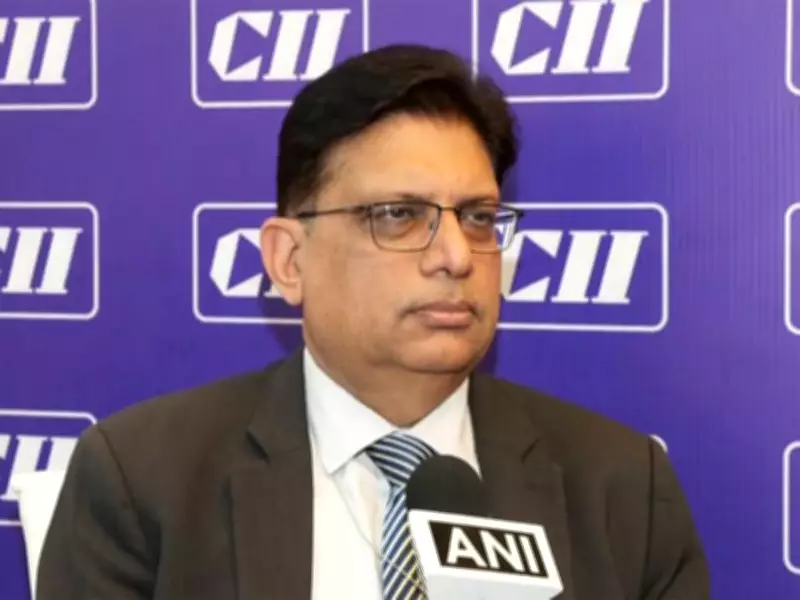
The strategic disinvestment of IDBI Bank, a significant move in India's banking sector reforms, has now advanced to its third phase, according to recent updates from government officials. This development marks a crucial step in the government's efforts to reduce its stake in public sector entities and attract private investment.
Progress and Timeline of the Disinvestment Process
The Department of Investment and Public Asset Management (DIPAM) Secretary has provided insights into the current status of the IDBI Bank disinvestment. The process, which has been ongoing for some time, has successfully moved into the third phase, indicating that preliminary stages such as initial assessments and stakeholder consultations have been completed.
Officials have emphasized that more clarity regarding the disinvestment is expected to emerge before the end of the financial year 2026-27. This timeline suggests that the government is methodically working through the complexities involved in such a high-profile transaction, ensuring all regulatory and procedural requirements are met.

Implications for the Banking Sector and Investors
The strategic disinvestment of IDBI Bank is part of a broader initiative to enhance efficiency and competitiveness within India's public sector banking landscape. By reducing the government's stake, the bank aims to benefit from private sector expertise, improved governance, and increased operational flexibility.
Potential investors, both domestic and international, are closely monitoring this process, as it could set a precedent for future disinvestments in the banking industry. The move is also expected to:
- Boost investor confidence in India's economic reforms.
- Attract fresh capital into the banking sector.
- Foster innovation and customer-centric services.
Challenges and Considerations in the Disinvestment
While the progression to the third phase is a positive sign, the disinvestment of IDBI Bank involves several challenges that need to be addressed. These include:
- Valuation of the bank's assets and liabilities.
- Regulatory approvals from entities such as the Reserve Bank of India (RBI).
- Ensuring a smooth transition for employees and customers.
- Maintaining financial stability during the ownership change.
The DIPAM Secretary's statement underscores the government's commitment to transparency and diligence in navigating these hurdles. By aiming for clarity by FY27, authorities are providing a realistic timeframe that accounts for the intricate nature of the transaction.
Future Outlook and Economic Impact
The successful disinvestment of IDBI Bank could have far-reaching effects on India's economy. It aligns with the government's strategy to monetize non-core assets and channel resources into priority areas such as infrastructure and social welfare.
Experts believe that this move will not only strengthen IDBI Bank's market position but also contribute to the overall health of the financial sector. As the process unfolds, stakeholders are advised to stay informed about official announcements to understand the evolving dynamics.
In conclusion, the strategic disinvestment of IDBI Bank entering its third phase is a landmark event in India's banking history. With more details anticipated before FY27 ends, it represents a careful balance between expediency and thoroughness in public asset management.






