The Indian equity markets opened in positive territory on Wednesday, snapping a two-day losing streak, even as concerns over a potential US-Iran conflict escalation and weaker monsoon progress persisted. The BSE Sensex opened higher at 76,545.21, compared to the previous close of 76,478.67, while the NSE Nifty opened at 23,897.65, slightly above the previous close of 23,865.75.
Market Performance at Opening
At the time of writing, the Sensex was trading at 76,641.95, up 163.28 points or 0.21 percent. The Nifty was trading at 23,916.20, up 50.45 points or 0.21 percent. The recovery comes after two consecutive sessions of decline, reflecting cautious optimism among investors.
Top Gainers and Losers
On the BSE, major gainers included Eternal, Titan, Hindustan Unilever, Infosys, TCS, Reliance, Maruti, ITC, Axis Bank, Bharti Airtel, and IndiGo. Meanwhile, NTPC, Trent, SBI, HCL Tech, and Bajaj Finance were among the major losers. Sector-wise, most major industries started the session in the green, with Nifty Media emerging as the top gainer, surging over one percent. All sectors in the Nifty Broad Market were trading in the green.

Volatility and Currency Markets
India VIX, the volatility index, was trading at 2.38 percent at the time of writing, indicating subdued market anxiety. The Indian rupee opened flat at 94.66 per US dollar. In the commodity market, gold prices extended their decline after hitting a seven-month low in the previous session, as weakening expectations of a lasting US-Iran peace deal stoked inflation concerns and strengthened bets on further Federal Reserve rate hikes. Spot gold was down 0.6 percent at USD 3,981.69 per ounce. Brent crude was trading at USD 73.29 per barrel.
Expert Insights
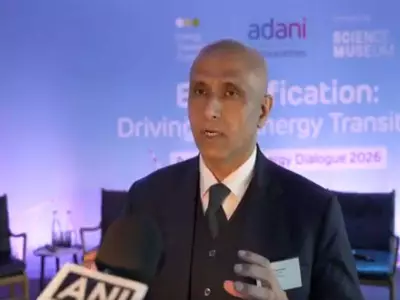
Ajay Bagga, banking and market expert, noted, "As we enter the final six months of the year, the macro matrix is rotating. The sharp correction in oil prices back to pre-conflict levels provides a massive fiscal cushion for import-dependent nations like India, paving the way for a potential corporate margin expansion in the upcoming quarters." According to the analyst, "The first half of 2026 has drawn to a close, leaving behind a fascinating tale of two macro realities. While global markets—spearheaded by a relentless, AI-fueled bull run in the United States—surged to historic highs, Indian equities faced a harsh, wintery period of consolidation and foreign capital flight. A dramatic geopolitical flashpoint in the Middle East early in the year sent oil prices spiking toward $153 a barrel, introducing sharp volatility across asset classes. As those structural supply-chain threats begin to moderate at mid-year, a clear divergence remains between AI and US optimism and India's valuation resets."