

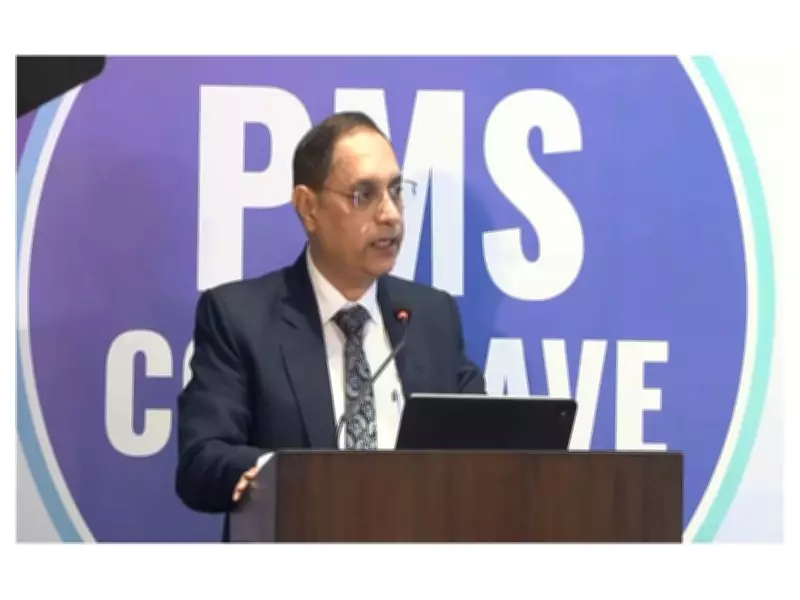
India's Economic Surge to Fuel Demand for Professional Wealth Management: SEBI Chairman
In a significant address, Madhabi Puri Buch, the Chairperson of the Securities and Exchange Board of India (SEBI), has underscored that India's robust economic expansion is poised to significantly boost the demand for professional wealth management services across the nation. This trend reflects the growing financial sophistication and increasing disposable incomes among Indian households, driven by the country's strong macroeconomic fundamentals.
Economic Growth as a Catalyst
Buch emphasized that India's economy, which has been experiencing rapid growth, is creating a fertile ground for wealth creation. As more individuals accumulate savings and investments, there is a parallel need for expert guidance to manage these assets effectively. The SEBI chief pointed out that this economic surge is not just a temporary phase but a structural shift, leading to a sustained increase in the appetite for professional financial advice.
"The rise in demand for wealth management is directly linked to India's economic performance," Buch stated, highlighting how factors such as rising GDP, improving per capita income, and a burgeoning middle class are contributing to this phenomenon. She noted that this trend is particularly evident in urban centers but is gradually spreading to semi-urban and rural areas as well.

Role of SEBI and Regulatory Framework
In her remarks, Buch outlined SEBI's proactive role in fostering a conducive environment for the wealth management sector. The regulatory body is focused on enhancing investor protection, promoting transparency, and ensuring that financial advisors adhere to high ethical standards. SEBI has been implementing measures to streamline regulations and encourage innovation in financial products, making it easier for investors to access diverse investment options.
Key initiatives include:
- Strengthening the certification and training requirements for wealth managers to ensure they possess the necessary skills and knowledge.
- Promoting the use of technology in wealth management to improve accessibility and efficiency for investors.
- Enhancing disclosure norms to provide investors with clear and comprehensive information about investment risks and returns.
Challenges and Opportunities
Despite the positive outlook, Buch acknowledged that the wealth management industry faces challenges such as low financial literacy and the need for greater trust among investors. She stressed the importance of investor education programs to empower individuals to make informed decisions. "Building trust is crucial for the growth of this sector," she remarked, urging wealth managers to prioritize client interests and maintain integrity in their practices.
On the opportunity front, the SEBI chairman highlighted that the increasing demand opens up avenues for job creation and innovation in financial services. It also aligns with broader economic goals, such as channeling savings into productive investments that can fuel further growth. This synergy between economic development and wealth management is expected to drive long-term prosperity for the country.
Future Outlook
Looking ahead, Buch expressed optimism about the future of wealth management in India, predicting that as the economy continues to grow, the sector will evolve to offer more personalized and technology-driven solutions. She called for collaboration between regulators, financial institutions, and educators to build a robust ecosystem that supports sustainable wealth creation.
In conclusion, Madhabi Puri Buch's insights highlight a pivotal moment for India's financial landscape, where economic momentum is set to transform how wealth is managed, with SEBI playing a key role in guiding this transformation towards greater inclusivity and stability.






