

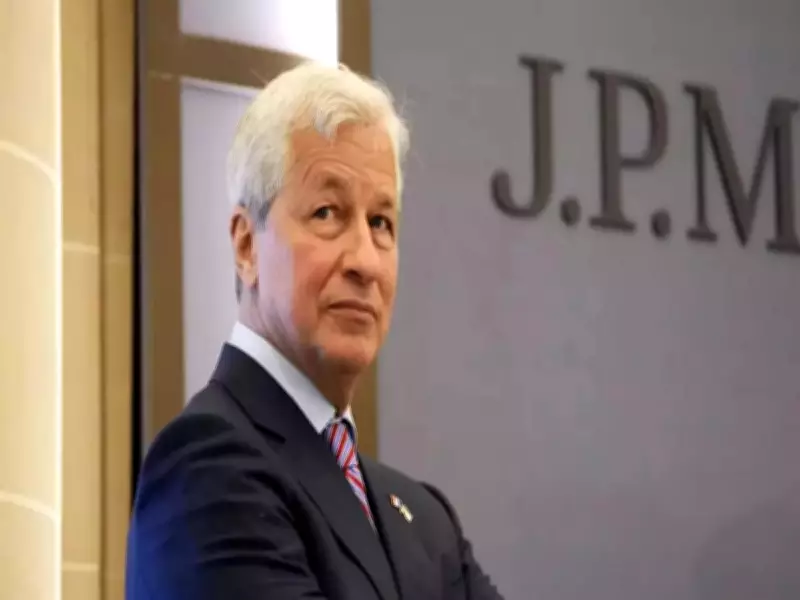
JPMorgan Accuses Trump of Fraudulently Naming CEO in $5 Billion Lawsuit
America's largest bank, JPMorgan Chase, has now accused former US President Donald Trump of fraudulently naming CEO Jamie Dimon in his $5 billion lawsuit over the closure of his accounts. The bank argues this move was specifically designed to keep the case in Florida state court, where it was originally filed.
Legal Battle Escalates as Bank Seeks Federal Jurisdiction
As reported by Bloomberg, in a Thursday filing dated February 19, JPMorgan formally requested to move the case to federal court in Miami. The bank has further plans to later transfer the proceedings to New York, where it is headquartered. JPMorgan contends that Trump's claim alleging Dimon personally directed the bank to 'blacklist' him and his businesses lacks legal foundation under Florida's unfair trade practices law.
The bank asserts that Dimon was "fraudulently joined" to the lawsuit solely to avoid federal jurisdiction, a strategic maneuver that JPMorgan is now challenging through legal channels. This development marks a significant escalation in the high-profile legal confrontation between the financial giant and the former president.

Background of Trump's Allegations Against Jamie Dimon
For context, Donald Trump initiated legal action against JPMorgan and CEO Jamie Dimon in January of this year. He is seeking at least $5 billion in damages, alleging the bank engaged in 'debanking' him and his companies for political motivations. Trump's legal team maintains that Dimon personally orchestrated the bank's decision to blacklist Trump, his family members, and associated businesses, resulting in what they describe as "overwhelming financial and reputational harm."
JPMorgan's Forceful Rejection of Trump's Claims
In its official response, JPMorgan has dismissed Trump's allegations as 'threadbare' and lacking substantive detail. The bank's legal representatives have pointed out critical deficiencies in the lawsuit's claims regarding the alleged blacklist.
JPMorgan's lawyers wrote in their filing: "They do not explain what this 'blacklist' entails, when it was created, to whom it was supposedly circulated, or any other detail describing it. Nor is it plausible that JPMorgan could create such a list consistent with the complex federal regulatory scheme to which it is subject."
The bank's position emphasizes both the vagueness of the allegations and the regulatory impracticality of maintaining such a list within the strict confines of federal banking regulations.
What Comes Next in This High-Stakes Legal Dispute
JPMorgan has announced its intention to seek complete dismissal of the lawsuit through legal motions. The bank's strategy involves first securing federal jurisdiction before pursuing dismissal on substantive grounds.
Meanwhile, Trump's legal team has vowed to continue pressing forward with the case, framing it as a crucial battle against what they characterize as politically motivated debanking practices. This sets the stage for potentially protracted legal proceedings that could have significant implications for banking practices and political accountability.
The outcome of JPMorgan's jurisdictional challenge could determine whether this case remains in Florida state court or moves to the federal system, potentially affecting the legal strategies and eventual resolution of this $5 billion dispute.






