

How a Silicon Valley Crypto Startup Became Venezuela's Financial Lifeline
A Silicon Valley cryptocurrency startup that recently secured significant funding from major investors is now facing intense scrutiny for its controversial role in Venezuela's heavily sanctioned economy. Kontigo, a fintech company that raised over $20 million from Coinbase Ventures and other prominent Silicon Valley backers in December, has become a critical conduit for moving money in and out of Venezuela despite American sanctions targeting the Maduro regime.
The Rise of a Crypto Neobank
Founded in 2023 by Venezuelan entrepreneur Jesus Castillo, Kontigo followed the classic Silicon Valley playbook to attract investors and gain traction. The company packed its team into a San Francisco home for hackathons, pitched itself as a "neobank for Latinos," and made ambitious claims about building financial systems for future Martian economies. This performance helped the startup secure a coveted spot in the prestigious Y Combinator incubator and ultimately raise substantial funding from top-tier investors.
Kontigo's platform allows its 1.2 million users across Latin America to exchange hard currency for dollar-pegged stablecoins, enabling payments and interactions with traditional banking systems. The company presented itself to investors as a solution for Latin Americans facing hyperinflation, but within Venezuela, it became something more controversial: a workaround for U.S. sanctions designed to isolate the Maduro regime from the international financial system.

Sanctions Evasion Allegations
Recent U.S. military action in Venezuela has brought Kontigo's operations under intense examination. The company is now facing service cutoffs from major banks and payment networks including JPMorgan Chase, Stripe, and Bridge. There are also allegations that Kontigo has undisclosed ties to the now-deposed Maduro government, which the company strongly denies.
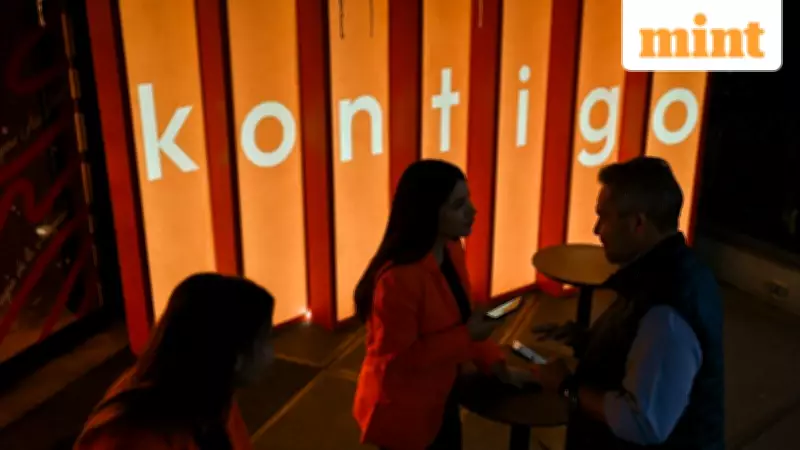
According to presentation slides from a December invite-only event in Caracas, an economist invited by Kontigo explained how the company's technology helped the Venezuelan government evade U.S. sanctions on oil exports. The presentation revealed that in the second half of last year, nearly 80% of Venezuela's oil revenue came through stablecoin payments, with those funds then exchanged for bolivars through various channels including Kontigo.
Contradictory Operations and Messaging
Kontigo operated in Venezuela through a license from the country's cryptocurrency regulator, Sunacrip, granted to a Venezuelan company called Oha Technology. While Kontigo has recently attempted to distance itself from Oha, its own website previously listed Oha as its Venezuelan subsidiary, and Castillo's personal webpage shows he was chief operating officer at a company called Oha AI.
The company offered users access to "virtual" U.S. bank accounts at JPMorgan through another fintech startup, Checkbook, despite JPMorgan not having a direct banking relationship with Kontigo. The startup nonetheless used the Chase Bank brand in its advertising until access was abruptly cut off late last year.
Funding Success and Subsequent Challenges
Just weeks before the surprise U.S. raid that toppled Venezuelan leadership, Kontigo announced its $20 million funding round from investors including Coinbase Ventures, Alumni Ventures, and DST Capital. Following the fundraising, Castillo posted videos touting a "$23 million" Silicon Valley mansion where he and his seven-person team planned to work intensively to boost revenue.
However, Kontigo's fortunes began to change rapidly after the fundraising announcement. The public revelation of its lost access to JPMorgan, followed by the change in Venezuelan leadership and allegations of secret ties to Maduro's family, created significant challenges for the startup.
Defensive Posture and Operational Struggles
Kontigo has gone on the offensive against critics, with its official account threatening to hold those spreading "falsehoods" accountable for damage to the company's reputation. The company also reported a hacking incident affecting approximately 1,005 users with losses around $341,000, though it claims to have made users whole.

Despite these defensive measures, Kontigo appears to be struggling operationally. Beyond the severed relationships with Stripe and Bridge, users report that PayPal no longer processes payments on the app. Oha Technology's license from Venezuelan regulators expired on January 8, and Kontigo's main public cryptocurrency wallet shows minimal activity in recent days compared to previous transaction volumes averaging hundreds of thousands of dollars weekly.
A Kontigo spokesman declined to answer specific questions about the business but stated in a written response: "Kontigo is committed to expanding access to financial services to the underserved. We are conducting an internal review and will share updates as appropriate. We are committed to complying with U.S. laws, including U.S. sanctions, and we are evaluating existing sanctions procedures and protocols with a view to enhancing them where necessary."
The situation highlights the complex intersection of cryptocurrency innovation, financial inclusion goals, and international sanctions enforcement, raising important questions about how fintech startups navigate geopolitical realities while pursuing global expansion.





