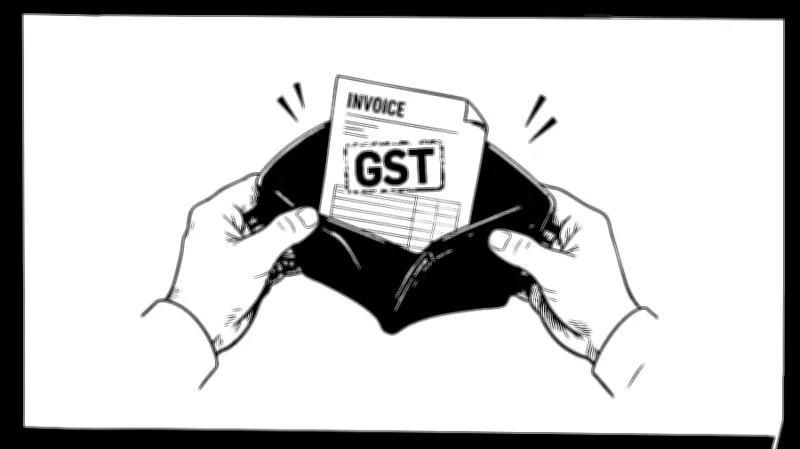
MSMEs Caught in GST Compliance Maze
India's micro, small, and medium enterprises (MSMEs) are increasingly falling into a tax trap due to the complex and often contradictory Goods and Services Tax (GST) rules, according to a report in the Deccan Herald. The intricate tax structure has led to heightened compliance burdens, cash flow issues, and even business closures for many smaller firms.
Concrete Impact on Businesses
The article highlights that over 1.2 crore MSMEs are registered under GST, but a significant number struggle with filing returns correctly. For instance, mismatched invoices and input tax credit (ITC) denials have become common, with tax officials often rejecting claims over minor errors. According to a study cited in the report, nearly 60% of MSMEs face ITC-related issues, leading to average tax demands of Rs 5-10 lakh per firm. This has forced many to either pay up or face legal action, draining their working capital.
Root Causes of the Tax Trap
The primary issues stem from the GST law's complexity, including multiple tax slabs, frequent rule changes, and the requirement for e-invoicing and e-way bills. Small businesses often lack the expertise or resources to comply fully. The report quotes a Federation of Indian Micro and Small & Medium Enterprises (FISME) official stating, "The GST system was designed for large corporations, not for the millions of small traders and manufacturers. The compliance cost is eating into their thin margins."

Government Response and Reforms
The government has introduced some relief measures, such as the composition scheme for small taxpayers and simplified return filing. However, experts argue these are insufficient. The article notes that the GST Council has formed a group of ministers to address MSME concerns, but concrete action remains pending. Meanwhile, the number of MSMEs opting for voluntary closure has risen by 15% in the last year, as per Ministry of Corporate Affairs data.
Way Forward
To ease the tax trap, the report suggests a single-rate GST for MSMEs, annual return filing, and a dedicated helpdesk for dispute resolution. It also calls for a threshold exemption increase from Rs 40 lakh to Rs 75 lakh annual turnover. Until then, MSMEs remain vulnerable to the tax trap, stifling their growth and contribution to India's economy, which accounts for 30% of GDP and 45% of exports.