

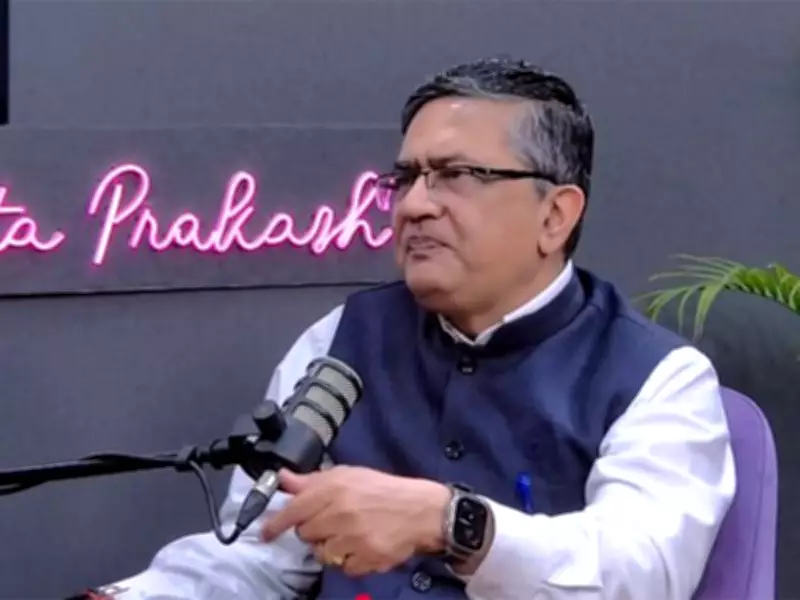
NSE CEO Advocates for Tax-Based Entry Filter in F&O Trading
In a significant statement regarding the financial markets, Ashish Chauhan, the CEO of the National Stock Exchange (NSE), has asserted that higher taxes on futures and options (F&O) trading are unlikely to deter small investors from participating. Instead, he has proposed the implementation of a tax-based entry filter as a strategic measure to safeguard market integrity and promote investor education.
Impact of Increased Taxes on Small Investors
Chauhan emphasized that the recent adjustments in tax rates for F&O transactions are not expected to significantly reduce the involvement of retail or small-scale investors. He explained that these investors are often driven by the potential for high returns and market opportunities, rather than being overly sensitive to minor tax increments. The NSE CEO highlighted that the core appeal of F&O trading lies in its leverage and speculative nature, which continues to attract participants despite fiscal changes.
Proposal for a Tax-Based Entry Filter
To address concerns about market volatility and investor protection, Chauhan urged regulators to consider a tax-based entry filter. This mechanism would require investors to pay a nominal tax or fee before engaging in F&O trading, serving as a barrier to entry that could filter out uninformed or speculative participants. He argued that such a filter would encourage more responsible trading practices and reduce the risk of losses among novice investors.

- Enhanced Market Safety: By discouraging impulsive trading, the filter aims to create a more stable and secure trading environment.
- Improved Investor Education: The requirement to pay an entry tax could prompt investors to seek better knowledge and understanding of F&O products before participating.
- Reduction in Speculative Activities: It may help curb excessive speculation that can lead to market distortions and financial instability.
Context and Industry Implications
This proposal comes amid ongoing discussions in the financial sector about regulating F&O trading, which has seen a surge in participation from retail investors in recent years. Chauhan's insights reflect a broader industry trend towards balancing market growth with investor protection. The NSE, as a leading stock exchange, plays a pivotal role in shaping policies that affect millions of traders across India.
Chauhan also noted that while taxes are a necessary component of government revenue, their impact on investor behavior should be carefully assessed. He suggested that a nuanced approach, combining fiscal measures with educational initiatives, could foster a healthier trading ecosystem. This aligns with global best practices where exchanges and regulators collaborate to mitigate risks associated with derivative trading.
Future Outlook and Recommendations
Looking ahead, Chauhan called for continued dialogue between market participants, regulators, and policymakers to refine strategies for investor safety. He recommended that any tax-based filter be designed to be minimal and non-burdensome, ensuring it does not stifle legitimate market activity. Additionally, he stressed the importance of leveraging technology and data analytics to monitor trading patterns and identify potential risks in real-time.
In conclusion, Ashish Chauhan's remarks underscore a proactive stance towards enhancing the F&O market framework. By advocating for a tax-based entry filter, he aims to strike a balance between encouraging investor participation and ensuring long-term market sustainability. This approach could serve as a model for other emerging markets grappling with similar challenges in derivative trading regulation.






