

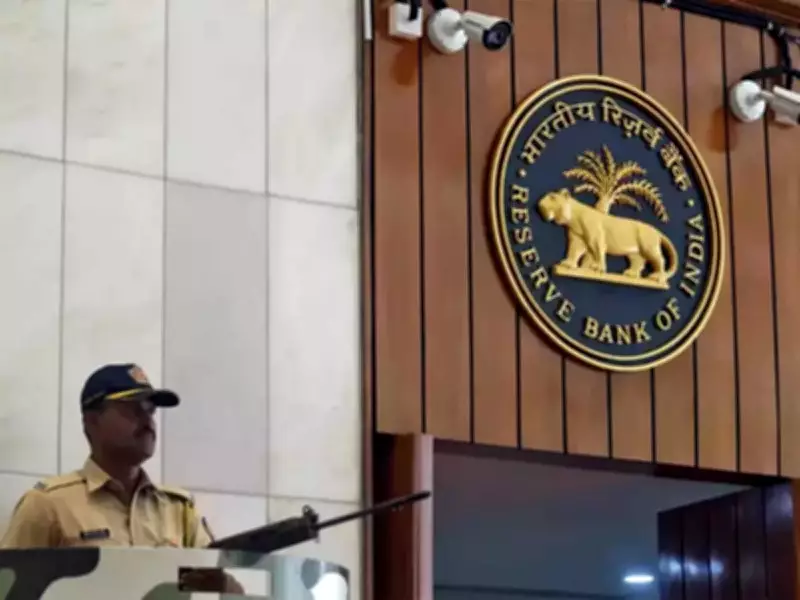
RBI Unveils Comprehensive Framework to Liberalize India's Foreign Exchange Market
The Reserve Bank of India (RBI) has proposed a significant overhaul of the country's foreign exchange market, aiming to liberalize access and enhance risk management capabilities for participants. At the core of this draft framework are extended trading hours and expanded opportunities to hedge foreign exchange risk, which are expected to bring Indian markets closer to global standards.
Broadening Hedging Tools and Market Access
The central bank's proposal significantly broadens the types of derivatives that authorized dealer banks may offer to both individuals and corporate entities. This expansion includes sophisticated hedging instruments for managing currency and interest-rate exposures, providing market participants with more robust tools to navigate volatile global financial conditions.
The framework enables trading across multiple platforms:

- Over-the-counter (OTC) markets
- Domestic exchanges
- Platforms in international financial centers
- Approved offshore electronic trading venues
This multi-platform approach is designed to draw Indian participants more firmly into global liquidity pools, enhancing market depth and efficiency.
Extended Trading Hours and Global Integration
Recognizing the 24-hour nature of global forex markets, the RBI's reforms propose relaxing trading timings substantially. Banks would gain the freedom to transact with clients and counterparties beyond traditional domestic market hours, allowing for continuous exposure management across different time zones.
This extended trading capability enables prices to adjust more continuously in response to global developments, reducing the gap between onshore and offshore market pricing. The framework also provides greater latitude for banks to deal with their overseas branches, subsidiaries, and offshore banking units, facilitating further integration between domestic and international markets.
Specialized Instruments and Risk Management
The proposed rules introduce several specialized instruments and risk management provisions:
- Non-deliverable derivatives linked to the Indian rupee with offshore counterparties, subject to appropriate safeguards
- Authorization for banks involved in gold-related activities to hedge price risk in international markets
- Expanded options for utilizing idle foreign-currency balances more productively
Optimizing Foreign Currency Resources
The RBI's framework addresses the productive deployment of surplus foreign-currency resources. With appropriate board approval, banks would gain multiple options for putting idle balances to work:
- Placing surplus funds overnight in secure instruments
- Lending short-term against foreign government securities
- Investing in short-dated overseas government paper and money-market instruments
- Extending loans in either rupees or foreign currency, both domestically and internationally
Additionally, unused Foreign Currency Non-Resident (Bank) [FCNR(B)] deposits can be invested in longer-dated foreign sovereign bonds, provided the investment maturities do not exceed the underlying deposit tenures.
Market Impact and Expert Perspectives
Financial market dealers and experts have welcomed the proposed reforms, noting that the revised norms will help deepen India's foreign exchange markets and bring them more in line with developed economies. The comprehensive approach addresses multiple aspects of market functioning, from trading infrastructure to risk management tools, potentially enhancing India's position in global financial markets.
The extended trading hours and broader market access are particularly significant, as they acknowledge the interconnected nature of modern financial markets and provide Indian participants with tools to manage exposures more effectively across global time zones.






